
Impact of Small Habits: How Small Changes Can Bring Big Results
“Success is the product of daily habits—not once-in-a-lifetime transformations.” – James Clear
Looking back on my journey—from the structured corridors of school leadership to the dynamic world of life coaching, public speaking, and conscious content creation—one truth stands out in bold: lasting change rarely comes from grand gestures. Instead, it’s the small, quiet choices we make each day that shape the people we become.
We often underestimate the ripple effect of small habits, brushing them off as too simple, too slow, or too insignificant to make a difference. But in my own evolution, I’ve seen how a five-minute morning ritual, a moment of stillness, a single affirmation, or even choosing gratitude over complaint can spark massive internal shifts.
These seemingly minor actions, repeated with intention, become the building blocks of transformation. They are the unsung heroes of success, growth, and healing.
Here’s how embracing small habits has changed my life—and how it can transform yours too.
The Power of Consistency: My Personal Story
Many years ago, I was someone who believed that success came from grand actions, major breakthroughs, or extraordinary efforts. I thought that to achieve something remarkable, I had to completely overhaul my routine or aim for lofty, seemingly unattainable goals. But over time, through trials and challenges, I began to understand that real, lasting change didn’t stem from occasional big efforts but from small, consistent habits.
One of the first small habits I incorporated was the simple act of waking up 30 minutes earlier. It sounds insignificant, doesn’t it? But those extra 30 minutes became sacred to me. I used that time to meditate, reflect, and set my intentions for the day. That one small habit changed the way I approached my entire day—it increased my focus, improved my productivity, and more importantly, gave me peace of mind.
Incorporating crystals into my daily routine further amplified this practice. For instance, using a Clear Quartz during my morning meditation helped me enhance focus and clarity. Known as the “master healer,” Clear Quartz is an excellent crystal for amplifying your intentions and keeping your mind clear throughout the day. It pairs perfectly with small habits focused on personal growth.
Another small habit that had a significant impact on my life was gratitude journaling. Every morning, I would write down three things I was grateful for. This seemingly tiny practice helped me shift my mindset from focusing on problems to appreciating life’s blessings. It helped me develop a positive outlook, which in turn improved my relationships, health, and overall well-being. These small moments of reflection became my anchor during stressful times, reminding me of the abundance I already had.
The Science Behind Small Habits
Why do small habits lead to big results? The answer lies in the power of compounding. Just like compound interest in finances, small efforts add up over time, eventually leading to significant outcomes. Whether it’s working on personal growth, health, relationships, or even financial stability, the principle remains the same: consistency is key.
When you make small changes and stick to them, they become part of your routine. And as you repeat these habits day after day, they become effortless, automatic. Over time, these small habits compound and start creating visible, impactful results.
Think about it: if you read just 10 pages of a book every day, by the end of the year, you would have read around 12-15 books! A habit as simple as drinking a glass of water upon waking up can improve your digestion, skin health, and energy levels. Or take the example of walking for 20 minutes a day—it may not seem like much, but it can significantly boost your fitness levels over time.
Also Read: The Importance of Boundaries: Protecting Your Energy and Well-Being
Small Habits That Changed My Life
Here are some small but powerful habits that have made a massive difference in my personal and professional life. I hope they inspire you to start incorporating them into your own routine:
1. Waking Up Early: That extra half-hour of calm and quiet before the world wakes up gave me clarity and a sense of control over my day.
2. Daily Meditation: I started with just 10 minutes of meditation each morning, and it truly felt like hitting the ‘reset’ button on my mind. Initially, it was hard to quiet my thoughts—I’d get easily distracted, wondering if I was doing it right. But gradually, those few minutes became the most essential part of my day. They helped me manage stress, grounding me no matter how chaotic the day became.
I vividly remember a period when I was juggling multiple projects, and my mind felt overwhelmed. Meditation was what brought me back to a state of calm, allowing me to move through challenges without getting swept up in the stress. It became my personal sanctuary, and the more I practiced, the more resilient I felt mentally.
Note
If you find meditation challenging or difficult to stick with, I’ve created a 7-days guided meditation audio course that could help you ease into the practice. It offers simple, structured sessions designed to help you cultivate mindfulness and reduce stress. Feel free to explore it and discover the benefits of meditation for yourself!
3. Gratitude Journaling: This practice opened my eyes to the beauty of life’s small moments. It helped me foster an attitude of abundance rather than lack.
4. Letting Go of Perfectionism: One small mental shift that transformed my approach was letting go of the idea that everything had to be perfect. I learned to focus on progress, not perfection, which gave me the freedom to experiment, fail, and learn.
A vivid example of this was when I launched my first course. I spent countless hours thinking about the content I was creating and recording. Nothing felt good enough, and I kept reworking it, wanting it to be absolutely perfect. This constant pursuit of perfection caused significant delays—I kept putting off the launch, telling myself that it wasn’t ready or that I wasn’t prepared. What I didn’t realize at the time was that this perfectionism was leading me to procrastinate.
Eventually, I made the decision to let go and just go ahead with the course. The result? The course performed far better than I had expected. From this experience, I learned that striving for perfection often holds us back, while taking action—even imperfect action—opens doors to growth and success.
Since then, I have launched many workshops and courses, and it’s been incredibly rewarding to see how much people have benefited from them. Letting go of perfectionism allowed me to take bold steps, and it has had a positive impact not just on me but on those I’ve been able to help along the way.
Note
To learn more about my courses, visit my website: https://drneetikaushik.com/
5. Reading Every Day: As a lifelong learner, reading even a few pages each day kept me mentally stimulated and continuously evolving. It’s a habit that expanded my knowledge, and in turn, made me a better teacher, coach, and content creator.
The Ripple Effect of Small Changes
The beauty of small habits is that they often have a ripple effect. One positive change leads to another. When I started waking up earlier, it naturally led to more mindfulness, better planning, and less rushing. When I incorporated gratitude journaling, it slowly helped me deal with negativity, turning my attention away from things that drained my energy and focusing instead on the things that uplifted me.
This ripple effect applies not just to personal habits but also to how we interact with others. When you start to practice a small habit like being more patient or listening actively, it improves your relationships. The people around you respond differently, and soon, you find that those relationships become more harmonious, respectful, and fulfilling.
Emotional Motivation: Why Small Habits Matter
When we talk about habits, we often forget to consider the emotional motivation behind them. Small habits, while seemingly simple, have the potential to rebuild our self-confidence. Every time you follow through with a small habit, you’re telling yourself, “I can do this.” These little wins matter. They give you the strength and confidence to tackle bigger challenges.
I remember when I first started uploading content for my YouTube channel, Nitty Gritty With Dr. Neeti Kaushik. It was intimidating at first, but I made a small commitment: just one video a week. That small habit not only grew my channel but also helped me build a community, connect with more people, and spread the lessons I’ve learned over the years. It was one small step that led to a much bigger transformation in my career.
How to Start Today
You might be wondering, “Where do I begin?” My advice: start small. Choose one area of your life where you want to see change, and break it down into small, manageable steps. Don’t try to do everything at once—whether it’s improving your health, nurturing relationships, advancing in your career, or even spiritual growth.
Pick one small habit and stay consistent.
Here are a few ideas to get you started:
- Want to read more? Start with just 5 pages a day.
- Want to be healthier? Begin with a 10-minute walk.
- Want to declutter your space? Organize one drawer a day and use an Amethyst while meditating to clear mental clutter.
- Want to feel more positive? Write down one thing you’re grateful for every night and perhaps keep a Citrine by your bedside to foster feelings of abundance.
It’s the Little Things That Make the Big Difference
I’ve seen it in my own life and the lives of countless others I’ve guided—small changes lead to big results. The key is consistency, patience, and belief in the process. Don’t underestimate the power of small habits. They may seem simple, but they hold the potential to change your life in ways you can’t imagine.
So, as you reflect on where you are today and where you want to be, remember: every big achievement starts with one small step. Start today, no matter how small, and watch how your life transforms over time.
For More Information Visit My YouTube Channel: “ Nitty Gritty with Dr Neeti Kaushik”
Best Gift Options for This Festive Season: Thoughtful Gifts that Truly Add Value
Nitty Gritty with Dr. Neeti Kaushik
Ever found yourself staring at endless store shelves or scrolling through countless websites, wondering, What should I get this year? How many times have you questioned whether a box of sweets or a set of dry fruits is enough to show someone how much they mean to you? Or maybe you’ve felt stuck, worrying that whatever you choose will end up as just another item passed along in the cycle of re-gifting?
The process of gift-giving can feel overwhelming, especially when we want our presents to be personal and meaningful. But in the rush of the festive season, it’s easy to default to the usual, missing the chance to give something that truly connects with the recipient.So, how can we shift our approach and make our gifts stand out? This year, let’s think beyond the obvious and aim for something that’s thoughtful, unique, and heartfelt.
Over the years, I’ve found myself caught in this same loop, giving what felt safe and familiar, only to realize that these gifts didn’t always serve a true purpose. So, I decided to approach gifting differently—to choose things that would not only be appreciated but also genuinely enhance the receiver’s life. This shift changed my entire perspective on gift-giving, and it has made my festive celebrations so much more meaningful.
This year, I invite you to join me in making gift-giving a thoughtful and impactful tradition. Let’s go beyond the predictable and give our loved ones something that adds true value to their lives. Here’s my guide to the best gift options for this festive season, inspired by personal experiences and the joy of gifting with intention.
1. Gift of Relaxation: Spa Vouchers
In today’s hectic world, finding time to unwind is a rare luxury. This is why spa vouchers are a fantastic gift—they encourage the receiver to carve out some much-needed self-care time. Whether it’s a soothing massage, a rejuvenating facial, or even a complete spa day, gifting relaxation is a thoughtful way to show someone you care about their well-being.
I remember during my time as a principal, one festive season I received a spa voucher as a gift from a parent. It was such a thoughtful gesture because, at the time, I was managing the school, handling administrative tasks, and attending to the needs of the students, teachers, and parents. I rarely had time to focus on myself. That spa experience was a breath of fresh air—I came back rejuvenated, with a renewed sense of energy. Ever since, I’ve appreciated how important it is to take care of oneself, and spa vouchers have become one of my go-to gift suggestions for anyone who seems like they need a little pampering. Ideal for: Busy professionals, moms, or anyone who needs to unwind.
2. Gift of Learning: Courses or Workshops
There’s nothing more meaningful than giving someone the gift of personal growth. A well-chosen course or workshop can inspire, motivate, and even transform the recipient’s life. Whether it’s helping someone develop a new skill or guiding them to achieve a personal goal, educational gifts can be truly powerful. For example:
- For students, you might consider gifting a mind-enhancing course to help them improve their concentration and memory. I’ve seen firsthand how courses like vision board course have helped students clarify their goals and stay focused during high-pressure exams.
- For homemakers, looking to explore new avenues, gifting a skill-building workshop can be a life-changing opportunity.
- For someone struggling with self-esteem, a Self-Love Course can be transformative. It encourages them to reconnect with themselves, build confidence, and embrace their worth. Many people, especially in today’s social media-driven world, face self-doubt and insecurities. Gifting them the tools to nurture self-love is incredibly empowering.
- For someone stuck in the past, consider gifting a Full Moon Ritual Course. This course can help them let go of past hurts, emotional baggage, or limiting beliefs.
Another idea is a Meditation Course for anyone dealing with stress or looking to improve their mental clarity. Gifting someone the ability to cultivate inner peace is one of the most powerful gestures you can make.
Last year, I gifted my mother the Nine Days of Navratra Course. She has always celebrated this festival with great devotion, and the course allowed her to deepen her understanding of each form of Devi Maa. It also guided her through specific meditations and chants for each day, helping her feel a deeper connection to the divine during her favorite festival.
The gift of learning not only shows your thoughtfulness but also helps the recipient grow in ways they may not have imagined. Whether it’s enhancing their career or supporting their personal growth, this gift creates lasting value. Ideal for: Students, professionals, homemakers, or anyone eager to learn.
3. Gift of Hobbies: Nurture Their Passion
A gift that encourages someone to indulge in their hobbies is one of the most thoughtful gestures. We all have passions that bring us joy, but in the rush of life, we don’t always make time for them. A gift that supports a hobby is like giving permission to the recipient to enjoy themselves without guilt.
- If you know someone who loves gardening, consider gifting them a beautiful plant or gardening kit.
- For an artist, gifting high-quality paints or sketchbooks shows that you’ve noticed and appreciate their talent.
- For a chef at heart, how about gifting a masterclass with a renowned chef. This can inspire them to hone their culinary skills and discover new recipes.
I’ve always been a believer in nurturing personal passions. Many years ago, I gifted my husband a camping tent because he loves camping and exploring new places. It was such a thoughtful gift because I knew how much joy he found in the outdoors. He was thrilled, and we ended up using it for numerous family camping trips. It’s amazing how a well-chosen gift can create lasting memories and allow someone to enjoy their passions even more. Ideal for: Anyone with a creative passion.
4. Gift of Healing and Energy: Crystals
Crystals have long been valued for their beauty and their healing properties. Gifting crystals is not just about giving a beautiful stone—it’s about giving someone positive energy, balance, and spiritual well-being. Each crystal has its own unique properties, making it a deeply personal and meaningful gift.
- For someone spiritual or religious, a crystal jaap mala can support their daily chanting or meditation practice.
- For business owners, a crystal tree can help invite abundance, success, and positive energy into their workspace.
- If you know someone who is experiencing emotional struggles, gifting them an Howlite crystal can help promote peace and emotional healing.
I’ve personally used crystals to help with focus, balance, and grounding, and I’ve shared this gift with many of my loved ones. One of the most meaningful gifts I ever received was an Amethyst Angel from a dear friend. It came at a time when I was struggling with sleep issues, feeling stressed and unable to relax at night. Placing the amethyst by my bedside brought calm and helped improve my sleep quality significantly. That’s the beauty of gifting crystals—they offer energy and healing that truly stays with the recipient. Ideal for: Anyone in need of healing energy.
5. Gift of Knowledge: Books
Books are timeless treasures that open new worlds, offer comfort, and provide profound insights. Gifting a book can be an incredibly thoughtful gesture, especially when you choose one that aligns with the recipient’s interests or current phase of life.
One book that has personally had a deep impact on me is “You Can Heal Your Life” by Louise Hay. This powerful book focuses on the connection between our thoughts and well-being and teaches us how to transform our lives through positive thinking and self-love.
I remember reading it during a challenging time when I was struggling with self-doubt and negative self-talk. Louise Hay’s wisdom guided me toward a more compassionate way of thinking, and I’ve since recommended this book to many others, especially when I feel they might benefit from its uplifting message.
Books like this not only provide guidance and knowledge but also act as companions during tough times. When you gift a book, you’re offering more than just pages—you’re giving the recipient wisdom, comfort, and a sense of empowerment. Ideal for: Anyone seeking personal growth, inspiration, or a meaningful read.
5. Gift of Experiences: Creating Memories
Sometimes the most precious gifts aren’t things but experiences. Giving someone the opportunity to create new memories can be incredibly meaningful. Whether it’s a weekend getaway, a concert, or an adventurous experience like hot air ballooning, these gifts offer something that material items cannot—time, joy, and unforgettable moments.
- For adventure lovers, you could gift an outdoor activity like trekking or paragliding.
- For music enthusiasts, gifting tickets to their favorite concert or a musical event can create a magical experience.
Ideal for: Couples, adventurers, or anyone who values experiences over things.
6. The Ultimate Gift: Your Time
The most valuable and heartfelt gift you can give this festive season is your time. In a world that’s constantly rushing, where everyone is busy with their lives, dedicating quality time to someone can mean more than any material gift. This festive season, take the time to sit down with a loved one, have a deep conversation, share a meal, or just be present.
- For your grandparents, take time to listen to their stories and cherish their wisdom.
- For your partner, plan a day together, without distractions, and just enjoy each other’s company.
Last year, I made a conscious effort to spend time with my family instead of focusing on gift exchanges. It reminded me of how much we often overlook the importance of being present. The laughter, the conversations, and the moments we shared were far more valuable than anything I could have bought. Ideal for: Anyone you love.
Thoughtful Gifts That Show You Care
This festive season, let’s move away from the routine of giving gifts that end up unused or passed along, and instead choose thoughtful, meaningful presents that add value to the lives of our loved ones. Let’s make gifting this festive season a beautiful, personal, and unforgettable experience. Happy gifting! May this festive season bring you joy, love, and meaningful connections. ✨
For more information visit my YouTube Channel: “Nitty Gritty with Dr Neeti Kaushik”
The Six 6 Skills Hard to Learn But Pay you Forever
Hello, wonderful souls! I am Dr. Neeti Kaushik, and today I want to share something deeply transformative that I’ve learned over my 35 years as an educationist, life coach, and guide. You see, there are six skills that, when mastered, can change the course of your life. These skills may seem difficult to attain, yet they reside within you, waiting to be unearthed. I assure you, by becoming proficient in these six areas, you can achieve anything—be it wealth, fame, or a fulfilling life.
1. The Art of Listening
Listening is a skill often underestimated in its power. We frequently listen not to understand, but to respond. Imagine how transformative it would be if we shifted this paradigm.
I remember early in my career, I often found myself in conversations where I was more focused on what I wanted to say rather than truly listening. It wasn’t until a mentor pointed this out that I began to appreciate the power of active listening.
Listening isn’t just about hearing words; it’s about understanding emotions and perspectives. I made it a point to be the last one to speak in discussions. This shift helped me absorb insights and connect with others on a deeper level. I found that by genuinely listening, I could reflect on others’ thoughts and enrich my own.
Practice Tip: Next time you’re in a conversation, take a moment to pause before responding. Reflect on what you’ve heard. You might discover clarity that you didn’t realize was there.
Also Read: Embracing Confidence: Lessons from My Journey to Empower You
2. No Complaining, No Criticizing
In our daily conversations, it’s all too common to find ourselves critiquing or complaining. Whether discussing friends, family, or life situations, negativity often permeates our words.
In my earlier days, I often engaged in casual complaining, whether about colleagues or situations. It took a conscious effort to break that habit. I decided to designate a “No Complaining Day” once a week. This simple practice transformed my perspective.
I noticed that when I focused on positivity, I felt lighter and more motivated. I started to affirm the good things in my life rather than fixating on the negatives. It wasn’t easy at first, but over time, it cultivated a more positive mindset.
One reason we fall into the trap of complaining is a lack of self-love and worth. When we don’t fully appreciate ourselves, it’s easy to project negativity onto our surroundings.
Practice Tip: Start your day with affirmations. Whenever you feel the urge to complain, remind yourself that today is a no-complaint day. You’ll be surprised at how this shifts your energy.
If you want to explore self-love more deeply and transform your perspective, I invite you to join my Self-Love Course.
3. Mastering Time Management
The way we manage our time reflects how effectively we live our lives. I used to pride myself on being busy, but I realized that busyness doesn’t equate to productivity. It’s easy to get caught up in the whirlwind of tasks without actually making meaningful progress.
I began to evaluate how I spent my time, and I found that planning my day around priorities made all the difference. Instead of reacting to every demand, I focused on what truly mattered. This shift allowed me to be more productive and fulfilled.
Practice Tip: Create a structured schedule that prioritizes your most important tasks. Review it regularly to ensure you’re focusing on what truly drives your goals.
4. Living in the Present
The mind has a tendency to dwell in the past or fret about the future, causing us to miss the beauty of the present moment.
For a long time, I found myself either regretting past decisions or worrying about future outcomes. This constant tug-of-war pulled me away from appreciating the present.
To combat this, I embraced mindfulness practices. Whether it was through meditation or simply enjoying a cup of tea in silence, I learned to immerse myself in the moment. This practice opened my eyes to the beauty around me and brought a sense of peace that I had been missing.
Practice Tip: Set aside time each day for mindfulness. Take a walk, breathe deeply, or engage in activities that ground you in the present moment.
If you’re interested in deepening your meditation practice, consider joining my 7-Days Meditation Course. Together, we’ll explore techniques to help you cultivate mindfulness and fully embrace the present.
5. Success as a Journey, Not a Destination
Many equate success with reaching a particular goal or status, but in reality, success is an ongoing journey. It is about the growth and experiences we accumulate along the way.
When I first started my journey, I thought success was about achieving certain milestones—getting the right job, earning accolades, or reaching financial goals. But as I reflected on my experiences, I realized that success is much more about the journey itself.
Each step I took, every challenge I faced, contributed to my growth. Celebrating small wins along the way became essential for me. I learned to appreciate the lessons from setbacks just as much as from achievements.
Practice Tip: Regularly reflect on your journey. Acknowledge your progress, and recognize the valuable lessons learned from both triumphs and trials.
6. The Power of Public Speaking
For many, public speaking can feel intimidating. However, it’s a crucial skill that empowers you to express your thoughts and emotions confidently. When you share your voice, you also open your throat and heart chakras, releasing bottled-up emotions and fostering deeper connections with others.
Start small. Practice speaking in front of a mirror, recording yourself, or speaking in front of a small group of friends. Gradually, you’ll find your confidence building, allowing you to speak more freely in larger settings.
Practice Tip: Set a goal to speak publicly at least once a month. With each opportunity, you’ll refine your skills and boost your confidence.
Consider incorporating Blue Agate and Turquoise into your practice. Blue Agate enhances communication and self-expression, helping you articulate your thoughts clearly. Turquoise, known as a stone of wisdom, encourages confidence and empathy, making it easier to connect with your audience.
Your Path to Mastery
These six skills—listening, positivity, time management, mindfulness, embracing the journey of success, and public speaking—have transformed my life. I’ve learned that perfection isn’t the goal; progress is.
As I share these experiences with you, I hope you feel inspired to embark on your own journey of self-discovery and mastery. Remember, these skills are not just concepts; they are keys to unlocking your potential.
Thank you for being a part of this journey with me. Your support fuels my passion, and I look forward to seeing you thrive. Stay blessed, stay abundant!
For more information visit our YouTube Channel: “Nitty Gritty with Dr Neeti Kaushik”
The Ripple Effect of Kindness: How Small Acts Make a Big Difference
What is something that costs very little or nothing but is priceless? What is something you can give away freely, but the more you give, the more it grows? What has the power to change someone’s day, and perhaps even their life, without you ever realizing it? The answer, my dear readers, is kindness.
Namaste, dear readers. Today, I, Dr Neeti Kaushik want to share another important life lesson with you all, one that I hope will inspire and perhaps even transform your life—and the lives of those around you. This lesson is about the ripple effect of kindness
There is something about kindness that transcends the simple exchange between two people. It’s more than just a smile, a compliment, or a helping hand. In every act of kindness, a seed is planted, one that blossoms into something much larger—spreading far beyond the initial interaction.
I’ve always believed that true kindness doesn’t ask for anything in return, yet it returns something invaluable to us. It’s the joy and fulfillment that comes from knowing we’ve made a difference, no matter how small. But what’s truly magical about kindness is the ripple effect it creates—how one small, thoughtful gesture can spread far and wide, touching lives we may never even know.
The Power of a Small Act
From the very beginning, I’ve always had a soft corner in my heart for helping others. I believe it stems from the values my parents instilled in me and the way the Divine has crafted my nature. Helping others has always brought me a kind of happiness that nothing else could—whether it was eating my favorite food or buying a new dress. Even as a child, small acts of kindness gave me a deeper, more fulfilling joy.
One vivid memory I carry with me is from my school days. I often noticed my teacher struggling to carry a heavy stack of students’ notebooks after class. Observing this, I would always offer to help, thinking about how she managed a classroom of 50 students on her own. Some of my classmates used to tease me, saying I was just trying to butter up the teacher, but I never cared. I wasn’t doing it for attention or approval; I did it because it felt right, and it made me happy to help someone in need.
Similarly, when one of my friends forgot their tiffin or didn’t bring lunch, I always shared mine with them. Even simple gestures like giving someone a compliment, telling them how beautiful they looked, or saying a heartfelt thank you for the smallest of favors brought me immense joy. With these small, everyday acts of kindness, I grew up, and they became a way of life for me.
One incident that stands out in my mind happened during my time as a school principal. There was a school helper who had recently lost her husband, and she was deeply worried about how she would afford her son’s education. She confided in me about her struggles, and I felt an overwhelming need to help. But I also realized that my help alone might not be enough to make a real difference. That’s when I thought of approaching the other teachers in the school. I explained her situation, and to my joy, everyone was eager to contribute.
Together, we collected an amount that individually may have seemed small, but collectively, it was enough to cover a year of her son’s school fees. This simple act, which cost us very little, changed her life. She could now focus on her work without the constant worry of how she would manage her son’s studies. It was in that moment that I fully understood the ripple effect of kindness. What may seem like a small act to us can be life-changing for someone else.
This incident reaffirmed to me that kindness isn’t about grand gestures. It’s about doing what you can, with what you have, and trusting that it will make a difference. When we come together to help someone in need, the impact is multiplied. Individually, it might seem like we’re offering only a little, but collectively, we have the power to create real, lasting change.
Also Read: 7 Steps to Becoming Your Best Version
The Invaluable Joy Kindness Brings
There is an indescribable joy that comes from acts of kindness. It’s not the kind of happiness that fades quickly; it lingers, fills your soul, and brings a deeper sense of meaning to your life.
I’ve seen this countless times, both in my professional life and in personal interactions. There have been moments when a simple act of kindness, whether it was offering a hand to someone in need or listening to someone who felt unheard, filled me with a profound sense of fulfillment.
A recent incident that reaffirmed this happened during my flight back from Bhopal. I was sitting beside a young college student. After some time, he politely inquired with the flight attendant if there was anything to eat. The attendant informed him that the only option was a bowl of Maggi. He asked the price, and after hearing it, he said, “Never mind,” and closed his eyes, seemingly trying to sleep.
As a mother, it tugged at my heart. It felt as if my own son was hungry. Without thinking twice, I quietly ordered the Maggi for him. When the bowl arrived, he was initially hesitant and politely declined, but after I insisted, he accepted and began eating. Watching him eat, I felt a sense of satisfaction that is hard to put into words—it felt like my own child was enjoying a meal.
After he finished, he sweetly thanked me, and we shared a brief, warm conversation. That simple act not only brightened his day but also left me feeling wonderful for the rest of the flight. The connection we made, even for that short moment, reminded me how small acts of kindness can ripple outwards, creating positive energy that touches us both.
This experience, like so many others, highlights how kindness doesn’t have to be grand or elaborate. Sometimes, it’s just about being human—seeing someone, feeling empathy, and doing something, however small, to help.
The Ripple Effect: How Kindness Multiplies
One of the most beautiful aspects of kindness is its ability to create a ripple effect, which I like to call “the kindness chain.” When you extend kindness to someone, it often inspires them to pass that kindness on to others, creating a chain reaction that can touch countless lives.
Over the years, I’ve had the privilege of witnessing this ripple effect in various forms. Let me share a touching experience my mother had that perfectly illustrates this. In her 80s, she decided to visit a bank alone. The manager informed her that he would assist her in about 15 minutes, so she took a seat. However, 40 minutes passed, and he still hadn’t come to help her. Seeing the growing crowd and feeling the frustration, my mother decided to leave and return another day.
Just as she was about to leave, a young staff member approached her. He took her passbook, went to the manager, completed all the necessary formalities, and then offered to accompany her to withdraw her money. My mother, moved by his kindness, asked him why he went out of his way to help her, especially when he didn’t know her. The young man replied that it was simply his way of life. He had promised himself to help one person each day, a value instilled in him by his parents.
My mother was deeply touched by this gesture. She felt overwhelmed and blessed this young man with heartfelt gratitude. Later, she shared this story with us—her children—emphasizing how this act of kindness had made a significant impact on her. It inspired us to adopt a similar mindset, encouraging us to spread kindness and share these stories with others.
This experience reinforces the power of kindness and its ability to create a ripple effect. A single act of compassion, even one that seems small, can inspire others to act kindly and pay it forward.
Kindness Begins With You
However, there’s an important lesson I want to highlight here: the act of kindness must start with yourself. If you are not kind to yourself, and if you do not nurture self-love, you won’t have the energy to give fully to others. It’s essential to first fill your own cup before you can pour into someone else’s.
If you feel like you’re lacking in self-love, I invite you to join me in my Self-Love Workshop, where we’ll work together to strengthen the most important relationship you have—the one with yourself. When you cultivate self-love, kindness towards others flows naturally and effortlessly.
How Kindness Can Transform Your Life
As someone who has spent decades working in education and life coaching, I’ve come to believe that kindness is not just something we do for others; it’s a way of life. When we approach each day with a mindset of kindness, we invite joy, fulfillment, and connection into our lives.
The beauty of kindness is captured in the quote, “Kindness is the language which the deaf can hear and the blind can see.” It transcends barriers and communicates directly to the heart. Moreover, scientific studies have shown that acts of kindness release feel-good hormones like oxytocin and serotonin. These chemicals elevate our mood and overall sense of well-being, which explains why we feel lighter, happier, and more content after helping someone.
Enhancing Kindness with the Heart Chakra
For those of you looking to do more for others and society, consider wearing Green Jade, which is known to work on the heart chakra. This stone not only opens your heart to give and receive love but also brings abundance, enabling you to help others even more. When your heart is open and abundant, your acts of kindness multiply, and the ripple effect grows even stronger.
A Call to Action
In a world that often feels chaotic and disconnected, kindness is our anchor. It grounds us in our shared humanity and reminds us that we all have the power to make a difference. The ripple effect of kindness is real, and it starts with you.
Whether it’s a smile, a helping hand, or simply a few moments of your time, never underestimate the impact of your actions. You may not see the immediate effects, but trust that your kindness will create ripples—touching lives far beyond what you can imagine.
So, I encourage you today, and every day, to practice kindness. Not for recognition, not for reward, but because kindness is the one thing that, when shared, grows in abundance. Let’s create a ripple effect that spreads love, hope, and joy to every corner of the world. For more information visit my visit my YouTube Channel: “Nitty Gritty with Dr Neeti Kaushik”
The Importance of Boundaries: Protecting Your Energy and Well-Being
As I sit down to reflect on one of the most transformative lessons I’ve learned in my life, I realize how deeply boundaries have played a role in shaping who I am today. Hello, dear readers. I’m Dr. Neeti Kaushik, and today, I want to share with you a life lesson that has not only changed the way I live but has also brought peace, balance, and protection to my energy—the importance of boundaries.
My Journey of Learning Boundaries
There was a time in my life when I said “yes” to almost everything. Whether it was a request from family, friends, or colleagues, I often found myself agreeing, even when it meant sacrificing my own well-being. Like many of us, I believed that being kind, available, and accommodating was the essence of living a good life.
However, this constant state of giving eventually drained me, both emotionally and physically. I would come home feeling exhausted, not because of a lack of sleep, but because my energy had been siphoned away by situations and people who demanded more than I could give. And the worst part was, I didn’t even realize that the energy I was losing was because of my own inability to set boundaries.
I vividly remember a particular phase when I was juggling multiple responsibilities—managing my career as a school administrator, attending family functions, and trying to meet the demands of friendships that had become draining. At the end of every day, I felt depleted, as if I had nothing left to give. The constant need to be “there” for everyone left me with no time for myself. It was at that point that I realized something crucial: I had to protect my energy.
Why Are Boundaries So Important?
Boundaries, as I’ve come to learn, are not about shutting people out or building walls. They are about creating healthy spaces where your energy can thrive, and you can focus on your well-being. Setting boundaries is a way of saying, “I value myself and my needs.“
When we don’t have boundaries, we allow others to dictate how we spend our time, how we feel, and how we live. It leads to exhaustion, resentment, and a loss of self. But when we establish clear boundaries, we take control of our lives, our energy, and our mental peace.
1. Boundaries Are a Form of Self-Love
Setting boundaries isn’t about rejecting others; it’s about honoring yourself. I used to think that setting limits made me less compassionate or helpful, but I’ve learned the opposite is true. When I protect my own energy, I can show up as the best version of myself for the people I care about. Think of it like a cup: If it’s empty, you can’t pour into anyone else’s.

2. Boundaries Protect Your Energy
I used to wonder why I felt so drained after spending time with certain people. Was it just me being overly sensitive, or was something deeper going on? I soon realized that energy is contagious. We absorb the energy around us—both positive and negative. Without boundaries, we end up absorbing more than we should, leaving little for ourselves.
Setting boundaries allows you to protect your energy. When I began to say “no” to situations and people who drained me, I noticed a shift in my energy levels. I felt lighter, more focused, and at peace. Protecting your energy is not selfish; it’s necessary for your well-being.
3. Boundaries Create Space for Growth
When I started saying “no” to things that didn’t align with my values or energy, I realized something profound: I had space for growth. I was able to focus on my passions, like starting my YouTube channel, creating courses, and writing my book. If I hadn’t set boundaries, I would have been too exhausted to pursue these dreams.
Also Read: 7 Steps to Becoming Your Best Version
4. Boundaries Foster Healthy Relationships
One of the hardest lessons I learned was that without boundaries, relationships suffer. I used to believe that being available 24/7 was a sign of love and dedication. But over time, this led to feelings of being taken for granted and burnt out. Through my experience, I realized that setting boundaries actually deepens relationships. It shows respect for both parties. When we communicate our needs and limits clearly, we cultivate healthier, more balanced connections.
For example, as a mother, wife, and professional, I used to feel torn between all these roles, feeling guilty for not giving enough to any of them. Setting boundaries allowed me to carve out intentional time for each aspect of my life. My relationships improved because I was fully present in the moments I set aside for them, rather than being distracted or drained.
Also watch: SUCCESS QUESTIONS TO MAKE YOU THINK
5. Boundaries Preserve Mental Health
One of the greatest lessons I’ve learned is that your mental health is precious. Without clear boundaries, our minds can become cluttered with the expectations and demands of others. I once found myself overthinking every decision, worrying about pleasing everyone around me, and feeling anxious about saying “no.” It wasn’t until I drew firm mental boundaries that I began to reclaim my peace of mind.
How I Began Setting Boundaries
Boundaries require practice and courage. It’s important to note that setting boundaries doesn’t come naturally to everyone. I had to learn through trial and error. There were times when I hesitated, felt guilty, or worried that people wouldn’t understand. But each time I held firm, I felt a sense of liberation and empowerment. The more I practiced, the easier it became.
I also realized that boundaries are dynamic—they change as we grow and evolve. What worked for me ten years ago might not work now. It’s an ongoing process, but one that’s essential for maintaining balance in our fast-paced lives.
Here are a few personal situations that helped me refine the art of setting boundaries:
1. Letting Go of Unnecessary Arguments
I used to talk to someone who was very reactive, and when they said something, I would instinctively justify my viewpoint. These conversations drained me, and I soon realized that I was unnecessarily arguing. Now, I simply listen to their point of view without the need to defend mine. This shift has saved me so much energy. Instead of being caught up in conflict, I acknowledge their opinion and choose peace over justification.
If you’re looking to master the art of letting go, join my Full Moon Course, where I teach powerful techniques to release limiting beliefs that hinder personal and spiritual growth.
2. Dealing with Reactive People
We all know certain individuals, whether in our family or friend circle, who are perpetually angry or speak disrespectfully. Initially, I would try to explain my perspective, hoping to help them see reason. But I realized that some people aren’t ready to evolve, and arguing with them only wasted my energy. Now, when I come across such individuals, I don’t engage in debate. Instead, I silently pray for their wisdom and growth, knowing that engaging with their negativity won’t help either of us.
Wearing Aquamarine has helped me immensely in this process, as it promotes calm, clear communication, and emotional balance, allowing me to maintain peace and compassion in such situations.
3. Self-Love and Knowing My Worth
As I embraced self-love, I began to understand my own worth. This shift empowered me to set boundaries without feeling guilty or sad when someone’s words affected me or when I found myself comparing myself to others. I came to realize that I am unique and worthy in my own right. Recognizing my value helped me stop seeking validation from external sources and gave me the strength to set healthier boundaries in relationships.
If you want to learn the activities that helped me love myself and know my worth, you can join my Self-Love Course, where I guide you through powerful practices to nurture your inner strength and confidence.
4. Behaving with Integrity
I learned that showing respect to others comes from my values, not from their position. Just like you wouldn’t bark back at a street dog, I’ve learned not to mirror the negative behavior of others. Instead, I maintain my own integrity and behave according to my true nature. This shift has helped me stay grounded and composed, no matter who I’m dealing with.
5.Prioritizing the Right People
Not everyone in your life deserves equal importance. Throughout my journey, I realized that while you’ll meet many people, not all deserve your time and energy. It’s crucial to be selective in who you allow into your personal space. Just as you wouldn’t invite every guest into your bedroom, you must prioritize your energy based on your own needs. This has been a vital lesson in creating boundaries that respect both myself and others.
Through these experiences, I’ve learned that boundaries are not rigid walls but flexible guides that help me maintain my peace, preserve my energy, and show up as my best self.
For more information visit our YouTube Channel: “Nitty Gritty with Dr Neeti Kaushik”
5 Signs That You Are Emotionally Hurt and Ways to Heal
As a mother, teacher, guide, and friend, I’ve worn many hats. Each role has brought unique challenges, joys, and lessons that have shaped who I am today. In this article, I, Dr Neeti Kaushik want to share with you some of the most profound lessons I’ve learned about emotional healing. This topic is very close to my heart because healing our emotional wounds is essential to living a fulfilled and happy life.
Today, I want to talk about something we all experience but often struggle to address—emotional pain. Many of us carry hidden scars from past experiences that continue to impact our lives, often in ways we don’t even realize. Whether it’s the loss of a loved one, a betrayal, or harsh words that wounded us, emotional pain is a part of the human experience. But how do we know if we are truly emotionally hurt? And more importantly, how can we heal?
Recognizing the Signs of Emotional Hurt
Life isn’t always smooth, and emotional wounds can run deep, often manifesting in ways we may not immediately recognize. There was a time when I, too, was unaware of the signs that my emotional well-being was compromised. It wasn’t until I began to pay attention to these signs that I started my journey towards healing. Here are five signs that might indicate you are emotionally hurt:
1. Flashbacks:
One of the most telling signs of emotional hurt is experiencing flashbacks. You might find yourself sitting quietly when suddenly, an old memory resurfaces—a memory of loss, pain, or betrayal. It could be the passing of a loved one, the end of a cherished relationship, or any hurtful event that left a deep impact on you. These memories often trigger a flood of emotions—anxiety, sadness, or even tears. If you find yourself frequently slipping into these flashbacks, it’s a sign that there’s unresolved pain inside you.
I remember the time when I lost my farther. Even years later, the memories of those days would often return when I was least expecting it. The sadness would wash over me, and it felt like the wound was still fresh. It took me a long time to understand that these flashbacks were my heart’s way of telling me that I hadn’t fully healed.
2. Low Self-Esteem:
Have you ever felt worthless because of someone else’s words or actions? I’ve been there, too—allowing others’ judgments to define my self-worth.
When someone makes a hurtful comment about your appearance, your abilities, or your worth, it can cut deep. Over time, you might start to see yourself through their eyes, believing the negative things they say about you. This can lead to a diminished sense of self-worth, where you begin to feel that you’re not good enough or that you don’t deserve happiness.
3. Difficulty Controlling Emotions:
Do you find yourself getting easily agitated, crying at the slightest provocation, or withdrawing from others when things don’t go your way? This could be a sign that your emotions are running on a short fuse. When we are emotionally hurt, our ability to regulate our emotions can become compromised. Small things that wouldn’t normally bother us suddenly feel overwhelming, and we might react in ways that are out of character.
What many people don’t realize is that this emotional volatility often signals a blockage in the heart chakra, which is the energy center responsible for love, compassion, and emotional balance. When the heart chakra is blocked, it becomes challenging to process emotions healthily, leading to outbursts, withdrawal, or even physical symptoms like heart palpitations or tightness in the chest.
I used to be someone who needed everything to be just right—at work, at home, in relationships. If things didn’t go according to plan, I’d feel like the world was falling apart. This emotional volatility was a clear sign that I needed to address the underlying pain that was driving my reactions. It wasn’t until I started working on unblocking my heart chakra that I began to find peace and balance. The process involved a lot of self-reflection, meditation, and crystal healing, but it was worth it.
I’ve made a detailed video on how I opened my heart chakra, sharing the steps I took and the transformative effects it had on my life. If you’re struggling with controlling your emotions, I encourage you to watch the video and start your journey toward emotional freedom and balance.
HOW I HEALED MY HEART CHAKRA ? MUST WATCH VIDEO.
4. Emotional Eating or Shopping:
Emotional pain can also manifest as binge eating or shopping. You might find yourself reaching for food not because you’re hungry, but because you’re trying to fill an emotional void. Or perhaps you go on shopping sprees, buying things you don’t really need, in an attempt to distract yourself from the pain. These behaviors provide temporary relief, but they don’t address the root cause of the emotional hurt.
There was a time when I turned to food for comfort. Stressful days at work or personal setbacks would lead me straight to the kitchen. I knew I wasn’t hungry, but eating felt like it was soothing the pain, even if only for a moment. The same goes for shopping—I’ve seen people (and I’ve been guilty of it too) use retail therapy as a way to cope with emotions they don’t want to face.
5. Chaotic Sleep Patterns:
Chaotic sleep is a major indicator of emotional distress. If you’re struggling to get a good night’s sleep, waking up frequently, or having trouble falling asleep because your mind is racing, it’s likely that your emotions are out of balance. Sleep is supposed to be a time of rest and recovery, but when we are emotionally hurt, our minds often refuse to switch off, keeping us trapped in a cycle of restless nights.
I went through a phase where my sleep was completely disrupted. No matter how tired I was, I would lie awake at night, my mind racing with thoughts and worries. It was exhausting, both physically and emotionally. Things got so bad that I had to resort to sleep medication just to get a few hours of rest. Despite being physically drained, my mind wouldn’t stop, and it wasn’t until I began addressing the emotional issues that were troubling me that I started to find peace at night again.
This experience taught me that our emotional well-being is deeply connected to our physical health. Once I began working on healing my emotional wounds, my sleep gradually improved, and I was able to wean off the medication. If you’re experiencing similar sleep disruptions, consider exploring the emotional roots of your sleeplessness.
Five Ways to Heal Emotional Wounds
Recognizing the signs is the first step, but how do we begin to heal? Here are five methods that have helped me, and I hope they will help you too:
1. Understand That You Are Not Alone:
One of the most important things to understand is that you are not alone in your pain. Everyone experiences stress, trauma, and difficult times. It’s easy to fall into the trap of thinking that you’re the only one struggling, but this simply isn’t true. Life’s challenges are universal, and while the details may differ, the emotional impact is something we all share.
There was a time when I felt completely isolated in my pain. It seemed like everyone around me was living a happy, carefree life while I was struggling to keep it together. But as I opened up and shared my feelings, I realized that others were going through similar challenges. This sense of shared experience was incredibly healing.
2. Change Your Perspective:
One of my favorite quotes is from the poet Rumi: “The wound is the place where the light enters you.” This beautiful saying reminds us that our wounds are not just sources of pain—they are also opportunities for growth and enlightenment. It is often through our most challenging experiences that we learn the most about ourselves and the world around us.
I’ve found that my greatest moments of growth have come from my most painful experiences. Each wound, while deeply hurtful at the time, eventually became a source of strength and wisdom. This perspective has helped me embrace my pain as a necessary part of my journey.

3. Reconnect with Your Inner Child:
Often, the emotional pain we experience as adults has its roots in childhood. The “inner child” represents the part of us that holds our childhood memories, experiences, and emotions. When we experience emotional pain or trauma during childhood, it can leave lasting imprints on our adult life, often manifesting as unresolved fears, insecurities, or emotional wounds. Connecting with your inner child involves acknowledging and nurturing this vulnerable part of yourself, helping to heal past hurts and foster self-compassion.
I’ve spent a lot of time reflecting on my childhood and the experiences that shaped me. I realized that many of the issues I was facing as an adult were rooted in unresolved childhood pain. Through journaling, and chakra healing, I’ve been able to work through these issues and find peace.
To reconnect with your inner child, try this: Close your eyes, take a few deep breaths, and imagine yourself as a child. Picture a moment when you felt vulnerable or hurt. Now, as your adult self, offer comfort and reassurance to this child. Remind them that they are loved, safe, and deserving of happiness. This simple exercise can help begin the healing process and foster a deeper connection with your true self.
Also watch: My Effective & Easy Ways to do Shadow work & Inner child Healing
4. Embrace Forgiveness:
Forgiveness is one of the most powerful tools for healing. It’s a process that requires us to confront our pain, understand it, and ultimately release it. The saying “hurt people hurt people” is something I’ve come to understand deeply over the years. Often, those who have caused us pain are themselves in pain, acting out of their own unresolved issues. This realization has been a cornerstone in my journey toward forgiveness.
Growing up, I faced my share of emotional wounds, some of which lingered well into adulthood. There were moments when the hurt felt overwhelming, and I struggled with the idea of forgiving those who had wronged me. It wasn’t easy, especially when the wounds were fresh and the emotions raw. But I realized that holding onto anger and resentment only deepened my suffering. It trapped me in a cycle of pain, preventing me from moving forward.
One of the most transformative practices I’ve adopted is the Full Moon Letting Go Ritual. The full moon, with its powerful energy, is a perfect time to release what no longer serves us. Every month, I use this ritual to let go of any lingering hurt, resentment, or anger.
Forgiveness doesn’t mean forgetting or excusing the harm done. It’s about freeing yourself from the chains of bitterness and anger. By forgiving, we take back control of our emotions and our lives. It’s a way of saying, “I will not let this pain define me. I choose to move forward.”
If you’re struggling with forgiveness or letting go, I’ve created a Full Moon course that guides you through these powerful rituals. This course is designed to help you release what no longer serves you and move towards a place of peace and healing.
5. Practice Ho’oponopono:
One of the most powerful tools for emotional healing is prayer. The Ho’oponopono prayer, in particular, has been a source of great comfort and healing for me. This simple yet profound prayer involves repeating four phrases: “I love you. I’m sorry. Please forgive me. Thank you.” It’s a way of acknowledging our pain, asking for forgiveness, and expressing gratitude—a powerful combination for healing.
The Ho’oponopono prayer has been a lifesaver for me in difficult times. Whenever I’m feeling overwhelmed by emotion, I turn to this prayer. It helps me release the pain and find peace. I’ve seen its transformative power not only in my life but in the lives of countless others who have shared their experiences with me.
Doing the Ho’oponopono prayer with Larimar crystal has amplified its effects for me. Larimar, known as the Stone of Serenity, works on four key chakras—the Heart, Throat, Third Eye, and Crown—helping to balance emotions, enhance communication, and promote spiritual growth. This combination has helped me find clarity, inner peace, and a deeper connection to myself and the world around me.
108 TIMES HO’OPONOPONO PRAYER FOR HEALING | GUIDED MEDITATION.
A Personal Note
As we close this chapter together, I want to leave you with a story that has stayed with me over the years. Once, a group of people gathered in a circle to share their deepest struggles, each believing their burden was the heaviest to bear. As they listened to one another, something remarkable happened. By the time it was the last person’s turn to speak, he realized that, in comparison to the challenges shared by others, his own problems seemed smaller, more manageable. It wasn’t that his pain was insignificant, but rather that hearing the stories of others gave him a new perspective. Sometimes, it’s our own minds that amplify our struggles, making them seem insurmountable.
Life is full of ups and downs, and you are not alone in facing them. We all carry our own burdens, and in those moments of darkness, it’s easy to feel overwhelmed. But remember, you have the strength to overcome whatever comes your way. Healing is a journey, not a destination. Along the way, you’ll discover that you’re stronger and more resilient than you ever imagined.
Thank you for walking with me through this journey. I hope these reflections offer you comfort and a sense of connection. We’re all in this together, and there’s always light at the end of the tunnel. Keep going, keep growing, and never forget that the power to heal lies within you.
Stay blessed, and take care of yourself. You’re stronger than you know, and your story is still unfolding.
For more information visit my YouTube Channel: “Nitty Gritty with Dr Neeti Kaushik”
Embracing Confidence: Lessons from My Journey to Empower You
As a former Principal, one question I frequently encountered was: “Ma’am, my child lacks confidence. What can we do to help them become more confident?” I used to think that once I left the school, this question would fade away. However, even now, I find that many queries I receive, particularly regarding crystals, revolve around the same core issue—how to face things more confidently. Stage fright, difficulty speaking in public, and a general lack of self-assurance are common struggles that many people face.
Reflecting on my own experiences, I realize that confidence is not something that appears overnight. It’s a journey, one that involves facing challenges, embracing failures, and learning from every experience. So, today, I, Dr Neeti Kaushik will like to share my personal journey and how it can guide you in building your own confidence.
1. The Journey Begins: From Shyness to Self-Belief
I vividly remember a time when I was too shy to raise my hand in class, afraid of being laughed at or criticized. I feared that my questions might be deemed silly, and this fear stunted my ability to speak up. Even as I grew older, public speaking remained a daunting challenge. It took years of practice and gradual exposure to overcome these fears. This journey reminds me of the proverb, “Slow and steady wins the race.”
Building confidence is similar to a sports or musical practice. Think about athletes or musicians who perform confidently on stage. They reach that level of confidence through relentless practice, early mornings, and unwavering discipline. They don’t let setbacks deter them. Instead, they persevere, knowing that each practice session brings them closer to their goal. Similarly, developing confidence requires consistent effort and a disciplined approach.
An important aspect of this journey is the role of the solar plexus chakra. If your solar plexus chakra is blocked, you might feel shy or uncomfortable, as this energy center is linked to personal power and confidence. To balance your solar plexus chakra, you can give water to the sun, chant the Gayatri mantra, and use Sunstone crystal. These practices can help restore your inner strength and boost your confidence as you continue your journey.
Also watch : ACTIVATE SELF ESTEEM THROUGH SOLAR PLEXUS CHAKRA
2. Embrace Discipline and Consistency
You might think that someone who has reached a prominent position would have always been confident, but that’s far from the truth. I learned that confidence isn’t an innate trait; it’s something we develop through practice and discipline. Just like athletes or singers who practice tirelessly to perfect their skills, I discovered that consistent effort and commitment were key to overcoming my fears.
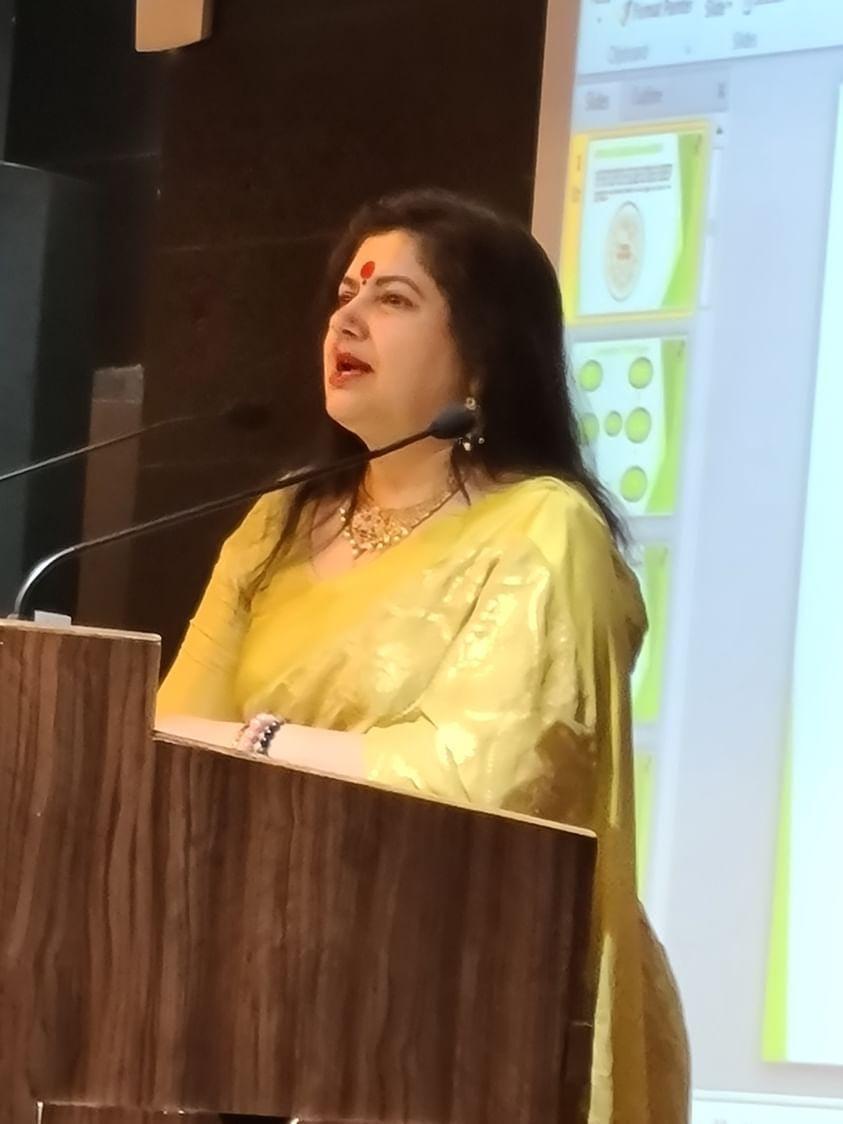
When I transitioned from being a school Principal to starting my own channel and coaching practice, the challenge was significant. Teaching children was one thing; teaching adults and parents presented a new set of dynamics. Initially, it was daunting to gain confidence in this new field and audience. However, with each video and workshop, I gradually built amazing connection with my audience and grew more comfortable in my role.
I kept in mind the saying, “Rasari aawat jaavat, sil par parat nishaan”—progress comes from persistent effort. This wisdom guided me through the challenges and reaffirmed that steady, disciplined practice would lead to growth and success.
3. Embrace Discomfort for Growth
One crucial lesson I learned is that growth often requires stepping out of our comfort zones.
For instance, when I started creating content for my YouTube channel, my early videos were quite spontaneous and varied. I would often post random topics without a clear direction or focus. While I enjoyed the creative freedom, I soon realized that a more structured approach was needed to make a meaningful impact. It was daunting to think about committing to a specific niche and dedicating time to explore new ideas.
However, I decided to embrace the discomfort of stepping out of my comfort zone. I began dedicating more time to researching and developing content that could genuinely help others. This meant diving deep into various subjects, learning new techniques, and refining my approach. Gradually, this process allowed me to cover a wide range of topics that have since benefited millions of viewers, helping them to lead more fulfilling lives.
An essential tool in this journey was wearing Carnelian. This powerful crystal helped me overcome procrastination and provided a burst of motivation and confidence.
By focusing on my purpose and continually pushing through the discomfort of change and growth, I saw significant progress. This journey taught me that true growth often comes from embracing the unease of stepping into new territories and continuously striving to improve.
4. Accept Your Emotions and Keep Moving Forward
Fear and anxiety are natural emotions, especially when facing new challenges. Accepting these emotions rather than avoiding them is crucial. Everyone feels nervous or anxious, but it’s important not to let these feelings paralyze you. When I first faced an audience or spoke on camera, my legs would tremble, and my mind would race. Over time, however, these feelings diminished as I gained more experience.
Instead of letting fear control you, acknowledge it and use it as a motivator. For example, if you’re nervous about a presentation, remind yourself that it’s normal to feel this way and that with practice, you’ll improve. Each successful attempt will gradually reduce your anxiety.
5. Surround Yourself with Positive Influences
Networking and connecting with like-minded individuals can greatly boost your confidence. Surround yourself with people who inspire and uplift you. Attend seminars, read books by successful individuals, and engage with content that motivates you. For example, attending a seminar where speakers shared their success stories inspired me to set my own goals and create a plan for achieving them.
The right environment can reinforce your confidence and help you stay focused on your goals. Engage with communities and resources that align with your aspirations and provide support along your journey.
In my journey, meeting people like Satish Kushwaha, whose video on manifestation resonated deeply with me, and connecting with Karthik Naidu and Siddharth Rajsekar, had a profound impact. Their insights and experiences helped shape my approach and inspired me to continue pursuing my goals with renewed vigor.
6. Self-Acceptance and Affirmations
Self-acceptance and Self-love has been crucial in my journey toward building confidence. Embracing my flaws and seeing them as opportunities for growth rather than obstacles was a game-changer. This shift in perspective allowed me to appreciate my unique strengths and understand that everyone has areas for improvement.
Alongside self-acceptance, affirmations played a significant role in my confidence-building process. I started each day by reciting positive affirmations about my self-worth and capabilities. Recording these affirmations and listening to them regularly, especially during moments of self-doubt, helped me challenge negative self-talk and reinforce a positive mindset.
If you find it challenging to love yourself, I recommend incorporating Rose Quartz or Kunzite into your life. These crystals can help enhance self-love and confidence. You might also consider joining my self-love course, where you can explore these concepts further and experience remarkable effects.
7. Develop a Routine
Establishing a daily routine can also enhance your confidence. Having a structured schedule helps you stay organized and focused, which in turn builds confidence. Whether it’s a morning routine, a skincare regimen, or a specific time for personal development, sticking to a routine creates a sense of stability and accomplishment.
8. Visualize Success
Visualization has been a transformative practice in my journey, helping me manifest success in various aspects of my life. By vividly imagining myself achieving my goals—whether it’s speaking confidently on stage or earning milestones like the YouTube Golden Play Button—I was able to stay focused and motivated. This mental imagery made my goals feel tangible and attainable, which made working towards them in reality much more manageable.
One of the most impactful tools in this process has been vision boards. Each year, I create a new vision board, filled with my goals and affirmations, and I make it a daily habit to review it. Over time, my approach to vision boards has evolved and become more refined. I’ve even developed a detailed Personalized Vision Board Course on how to craft your own vision board. If you’re interested, you can join and learn how to use this powerful tool to turn your dreams into reality.
9. Harnessing the Power of Crystal Energy
In my journey of building confidence, I also turned to crystals, which have always been a significant part of my life. Each crystal has its unique energy and properties, and I found that incorporating them into my daily routine provided a boost to my confidence.
Among the many crystals I use and incorporate into my life, Clear Quartz and Apatite are my favorites. Clear Quartz enhances clarity and amplifies positive energy, while Apatite, known as the master manifestor, supports my goals and aspirations. These crystals have played a vital role in my personal growth, helping me stay focused and confident as I continue on my journey.
Also Read: The 7 Crystals That Shaped My Journey
Building confidence is a continuous journey that involves embracing challenges, maintaining discipline, and cultivating a positive mindset. By applying these principles, you can develop the confidence needed to face any situation with poise and assurance. Remember, confidence is not an innate trait but a skill that you can develop over time. Start small, stay persistent, and watch as your confidence grows and transforms your life.
I hope my journey and insights inspire you to take the steps needed to build your confidence. Embrace the process, stay committed, and celebrate each milestone along the way. Your path to greater confidence begins now.
For more details visit my YouTube Channel: “Nitty Gritty with Dr Neeti Kaushik”
7 Actions That Always Bring Happiness
Happiness is something we all strive for, yet it often feels elusive. We chase after it in our careers, relationships, and possessions, only to find that it slips through our fingers. I’ve spent years exploring the depths of what truly makes us happy, and through my journey, I’ve discovered that happiness is less about the external and more about the internal—less about what we have and more about what we do.
As someone who has spent decades in education, helping others navigate their paths, and coaching individuals to realize their potential, I’ve found that true happiness comes from simple, intentional actions. These actions may seem small, but they have the power to transform our lives from the inside out. In this article, I, Dr Neeti Kaushik will share seven actions that have consistently brought happiness to my life and the lives of many I’ve had the privilege to guide.
1. Engage in Acts of Kindness
There’s something profoundly fulfilling about helping others. Whether it’s a kind word, a small favor, or a more significant act of generosity, kindness creates a deep sense of connection and purpose. During the COVID-19 pandemic, we witnessed extraordinary acts of kindness from people around the world. Strangers came together to provide food and medicine to those in need, volunteers worked tirelessly to arrange oxygen supplies for the critically ill, and landlords waived rent for tenants who had lost their jobs and couldn’t return home. These selfless acts were a powerful reminder of our shared humanity and the incredible impact kindness can have, especially in times of crisis.
Engaging in acts of kindness may seem like a one-way street, where you give without expecting anything in return. But the truth is, kindness always brings something back. It may not be material, but the sense of fulfillment and happiness you receive is invaluable. When you help someone, you create a bond, a connection that uplifts not just the recipient but also yourself. The joy that comes from knowing you’ve made a positive impact on someone’s life is a reward that far exceeds any tangible benefit. Kindness is a powerful force that brings happiness to both the giver and the receiver, creating a ripple effect of positivity in the world.
2. Express Creativity
Creativity is a powerful outlet for emotions and a source of immense joy. Whether it’s writing, painting, crafting, or any other form of creative expression, engaging in creative activities allows us to connect with our inner selves. For me, writing has always been a way to express my thoughts, emotions, and ideas. When I started my YouTube channel, ‘Nitty Gritty With Dr. Neeti Kaushik,’ it wasn’t just about sharing knowledge; it was about expressing my creativity and connecting with others on a deeper level. Creativity, I’ve found, is not just about the end product but the process itself, which brings a profound sense of happiness.
3. Practice Gratitude Daily
Gratitude is more than just saying “thank you”; it’s a powerful practice that shifts our focus from what’s lacking to what’s abundant. During one particularly challenging phase of my career, when the demands of leadership felt overwhelming, I started a gratitude journal. Each night, I wrote down three things I was grateful for, no matter how small. This simple act transformed my outlook. Instead of dwelling on the stress and challenges, I began to see the blessings in my daily life. This practice not only uplifted my spirits but also created a ripple effect, enhancing my relationships and work environment.
In addition to journaling, I’ve developed a habit of keeping a “wish box,” where I place notes about each manifestation that comes true. Over time, as I revisit these notes, I feel a profound sense of gratitude for all that has unfolded in my life. It serves as a tangible reminder of the power of positivity and the universe’s generosity.
4. Embrace Letting Go
One of the most liberating actions is the ability to let go—whether it’s past hurts, limiting beliefs, or even the need for control.
This concept is beautifully illustrated in the story of two donkeys. One donkey carried a large bag of cotton on its back, while the other carried a much smaller bag filled with salt. The donkey with the cotton felt envious, thinking the other had it easier with the lighter load. Frustrated, it complained to its owner about the unfairness. The owner then instructed both donkeys to go to the nearby river and return. As they crossed the river, the donkey with the salt bag found its load becoming lighter as the salt dissolved in the water. However, the donkey with the cotton bag discovered that its burden had become unbearably heavy, as the cotton absorbed the water and grew in weight.
This story serves as a powerful metaphor for life. Often, we compare our burdens to those of others, not realizing that what seems easier for someone else may not be so in different circumstances. The key lesson is to trust in what life offers you and let go of the need to control everything. When we release our grip on what we cannot control, we make space for new opportunities, lighter burdens, and true happiness. Just as the donkey with the salt found relief by letting go of its load in the river, we too can find peace and joy when we learn to release our worries, trust in the process, and accept life as it comes.
Incorporating crystals like the crystal Garnet can also support this process. Known for its grounding properties, Garnet provides stability and helps in letting go of what we cannot control. By working with Garnet, you can enhance your ability to stay rooted in the present moment, embrace the flow of life, and release the burdens that no longer serve you.
5. Nurture Meaningful Relationships
Human beings are wired for connection, and our relationships are often the greatest source of happiness. However, it’s not the quantity but the quality of these relationships that matters. Throughout my journey, I’ve been blessed with mentors, colleagues, and friends who have been my pillars of support. Nurturing these relationships, spending time with loved ones, and investing in deep, meaningful connections has always brought me immense joy. I’ve learned that happiness often lies in those moments of laughter, shared experiences, and even in the quiet support of someone who understands you.
6. Pursue Lifelong Learning
Learning keeps us engaged, curious, and growing. It’s a reminder that we are always evolving, and that in itself is a source of happiness. I’ve always been passionate about learning—whether through formal education, reading, or exploring new hobbies. Even during my busiest times, I made it a point to learn something new every day, no matter how small. This pursuit has brought a sense of fulfillment and joy, as it opens up new perspectives and keeps the mind active and inspired.
Incorporating the crystal Carnelian into your learning journey can be especially beneficial. Carnelian is known for its powerful connection to the Solar Plexus Chakra, which governs our drive and motivation. It enhances focus, stimulates curiosity, and provides the courage to embrace new challenges, making it an ideal companion for anyone dedicated to lifelong learning.

Also watch: ACTIVATE SELF ESTEEM THROUGH SOLAR PLEXUS CHAKRA
7. Practice Mindfulness and Meditation
In our fast-paced world, it’s easy to get caught up in the hustle and bustle, losing touch with the present moment. Practicing mindfulness and meditation can be a powerful antidote to the stress and chaos that often overwhelm us. Dedicating just 20 minutes a day to meditation can provide your mind with the nourishment it desperately needs. This time allows you to pause, breathe, and reconnect with your inner self, fostering a sense of peace and balance.
Mindfulness and meditation are not just about sitting in silence; they’re about training your mind to focus, letting go of distractions, and embracing the present moment. Whether it’s through deep breathing exercises, guided meditation, or simply sitting quietly and observing your thoughts without judgment, these practices can bring profound changes to your mental and emotional well-being.
Incorporating mindfulness into your daily routine doesn’t have to be complicated. It can be as simple as starting your day with a few moments of meditation, taking a mindful walk where you pay attention to your surroundings, or practicing deep breathing exercises when you feel stressed. These small, consistent actions can lead to a happier, more centered life, helping you navigate challenges with greater ease and a clearer mind.
If you’re looking to deepen your mindfulness practice, consider joining our 7 Days Miracle Meditation Course. This course is designed to guide you through the essentials of mindfulness and meditation, helping you cultivate a calm, focused mind and a more joyful, present life.
Happiness is not a destination but a journey, shaped by the choices we make every day. As we navigate through life, it’s essential to remember that joy is often found in simple, everyday moments rather than grand achievements or possessions. Embracing the present, cultivating a positive mindset, and fostering connections with others can all contribute to a more fulfilling and joyful life. Being present, open-hearted, and engaged in our daily lives can uncover a profound sense of happiness that enriches our existence and spreads to those around us. For more details visit our YouTube Channel: “Nitty Gritty With Dr Neeti Kaushik”
6 Ways to Find Gratitude When Everything Goes Wrong
Life has a way of throwing us into turbulent waters when we least expect it. We all face moments when everything seems to go wrong—when it feels as though the universe is conspiring against us, and the weight of our struggles becomes almost unbearable. During these times, it’s easy to lose sight of hope and feel overwhelmed by the enormity of our challenges.
I’ve experienced this profound sense of despair myself, from the heart-wrenching loss of my father to the countless personal and professional obstacles that have tested my resilience. These moments of intense difficulty have sometimes felt like insurmountable barriers, leaving me questioning how I would ever find my way through. Yet, even in the darkest times, I’ve discovered that there are glimmers of light and reasons for gratitude that can guide us forward.
Finding gratitude in adversity is not about ignoring our pain or pretending that everything is okay. It’s about acknowledging the reality of our struggles while actively seeking the moments of grace and growth that lie within them. It’s about understanding that, despite the heaviness of our burdens, there are still reasons to appreciate the journey and hold onto hope.
So, today, Dr Neeti Kaushik wants to share six ways to discover and embrace gratitude, even when life feels overwhelmingly difficult. I hope that these insights will resonate with you and provide a beacon of hope as you navigate your trials.
1. Reflect on Past Triumphs
When facing challenges, reflecting on past successes can be a powerful source of motivation and gratitude. I often find solace in revisiting moments of triumph from my own lifetimes when I overcame significant obstacles and achieved goals that once seemed distant dreams.
One of the most profound transitions I experienced was moving from a long-established career as a school Principal to becoming a full-time content creator in my 50s. This change came with its own set of hurdles. I had little to no knowledge of modern technology or the digital landscape. The thought of mastering new tools, platforms, and techniques was daunting.
I vividly remember the initial days of grappling with unfamiliar software, learning how to set up a YouTube channel, and creating engaging content. It was overwhelming, and there were moments when I questioned if I had made the right choice. But as I reflect on that period now, I realize it was a testament to my resilience and willingness to embrace change.
During this challenging time, I found immense support from Citrine, a crystal known for its ability to foster confidence, creativity, and success. Wearing a Citrine Bracelet helped me stay positive, embrace new learning experiences, and remain determined in my pursuit of this new career path. This journey was not just about changing careers; it was about redefining myself and proving that age and experience are no barriers to new beginnings.
Reflecting on these past triumphs reminds me of my inner strength and resilience. It’s a powerful affirmation that I have successfully navigated challenges before and that I have the capability to do so again. This perspective helps me approach current difficulties with a renewed sense of confidence and gratitude for my own journey.
Take time to acknowledge your own achievements and the effort it took to reach them. Whether it’s overcoming personal challenges, achieving career milestones, or mastering new skills, reflecting on these successes can provide you with a sense of pride and motivation. It reinforces the understanding that you have the strength to navigate through current obstacles and that your journey is one of continuous growth and learning.
2. Find Comfort in Small Blessings
During difficult times, it’s easy to overlook the small blessings that continue to enrich our lives. Finding comfort in these small joys can provide a much-needed sense of gratitude and perspective, especially when facing challenges.
For me, acknowledging and celebrating small blessings has become a vital part of my life. Whenever I set ambitious goals and encounter obstacles, I remind myself to look at those who are less fortunate and express gratitude for what I have. This practice helps me maintain a positive perspective and appreciate the abundance in my life.
I feel incredibly blessed to be born into a loving and supportive family. I am grateful for my wonderful parents, who have always been my pillars of strength; my siblings, who have been a source of love and encouragement; and my incredible husband, who stands by me through thick and thin. My in-laws have been a remarkable blessing; they were the first to support me in pursuing my career ambitions and never placed any restrictions on my goals. Their encouragement and acceptance, especially as the first woman to work in their household, was instrumental in my journey.
Additionally, my loving children are a constant source of joy and inspiration. Their presence in my life brings a deep sense of fulfillment and happiness. Reflecting on these blessings, it fills my heart with gratitude.
To deepen my connection to these blessings, I often keep Pink Tourmaline close. This beautiful crystal is known for its ability to open the heart, foster compassion, and amplify gratitude. Using Pink Tourmaline has helped me remain grounded in love and appreciation, especially during tough times. It reminds me to cherish the love and support that surrounds me, reinforcing the value of my family and the positive impact they have on my journey.

3. Seek Support from Loved Ones
The support of loved ones can be a lifeline during difficult times. When I lost my father, I was overwhelmed by grief and felt an intense sense of loss. The emotional weight was heavy, and I struggled to navigate through the pain. He had been my constant support and mentor, guiding me in making decisions throughout my professional life. I wondered who would offer that guidance now that he was gone.
In the midst of this profound sorrow, the support from my family and friends became an invaluable source of comfort and strength. Their kind words, acts of compassion, and willingness to listen helped me through the darkest moments. Their presence reminded me that I was not alone, and their empathy provided solace during this challenging period. This support was a powerful reminder of the love and connection that exist even amidst our struggles.
Losing my father was a significant challenge, but the love and understanding I received from those around me allowed me to find moments of gratitude amidst the grief. The relationships and support system that surrounded me played a crucial role in my healing process. Even now, when I am searching for answers or guidance, I close my eyes and seek his wisdom, feeling his presence in my life.
Don’t hesitate to lean on those who care about you during tough times. Their support can help you see beyond your struggles and remind you of the positive connections you have. Reach out and allow yourself to be uplifted by their presence and encouragement.
4. Embrace the Learning Opportunity
When faced with setbacks, it’s essential to recognize them as valuable learning experiences. By reframing setbacks as opportunities for growth, we can find gratitude in the lessons they offer and use them as stepping stones for personal and professional advancement.
I remember a defining moment from my early teaching career that tested my resilience and determination. At that time, I had a strong aspiration to become a principal. I observed how our school principal managed and led the school with great skill and vision, which inspired me deeply. One day, I mustered the courage to express my dream of becoming a principal and sought his guidance on how to achieve it. To my dismay, he responded, “Neeti, you’re too young now. You need more experience. Continue with your teaching, and perhaps when you’re 45, you can consider becoming a principal.”
His words were a heavy blow to me. I felt devastated and lost in thought, questioning why age should limit my aspirations. There was no rule that said I couldn’t become a principal at a younger age. I wrestled with self-doubt and frustration, but then I realized that my dream was worth fighting for.
Determined to turn this setback into a learning opportunity, I decided to take proactive steps toward my goal. I started by making detailed notes on what it means to be a principal, how the role differs from teaching, and what skills and qualities are essential for the position. I sought out workshops and training sessions specifically tailored for school leadership to gain a deeper understanding of the responsibilities and challenges of being a principal.
During this period, I focused on manifesting my goal. I visualized myself in the role, believed in my capability to lead, and set my intention clearly. To my amazement, within just three months, I received a call from an organization that was launching a new school. They offered me the position of principal. Despite the setup being new and the challenges that came with it, I eagerly embraced the opportunity.
This experience taught me that setbacks, while challenging, can be powerful catalysts for growth. By framing them as learning experiences and staying committed to our dreams, we can transform adversity into success.
5. Practice Self-Compassion
Being kind to yourself during difficult times is crucial for cultivating gratitude. I remember a period when I was overwhelmed by my responsibilities and struggled with self-criticism. The pressure I put on myself only added to my stress and frustration.
When I began practicing self-compassion, I learned to acknowledge my efforts and be gentle with myself. I recognized that it was okay to struggle and that self-criticism was not productive. Instead, I focused on treating myself with the same kindness and understanding that I would offer a friend.
Self-compassion involves recognizing your own humanity and accepting that it’s okay to have flaws and challenges. By practicing self-kindness, you can foster a sense of gratitude for your own resilience and efforts. This approach helps create a nurturing environment for growth and healing.
As part of my journey, I also embraced the practice of self-love. Cultivating self-love has been transformative, allowing me to appreciate my strengths and nurture my inner peace. If you’re looking to deepen your self-compassion and self-love, I invite you to join my Self-Love Course, where we explore powerful techniques to build a healthier, more loving relationship with yourself.
6. Engage in Acts of Kindness
Engaging in acts of kindness can be a profound way to cultivate gratitude, especially during challenging times. I vividly remember a period when I was struggling personally but decided to volunteer at a local community center, distributing essential items to people living in slum areas. The experience was eye-opening and transformative.
As I interacted with the families in these communities, I was struck by their living conditions—something that was so different from my own, despite my complaints about my house being too small or my furniture not being up to par. Seeing their daily struggles made me reflect on my own situation with a newfound perspective. It was impossible not to feel a deep sense of gratitude for the simple comforts I often took for granted: a roof over my head, a warm bed, and the luxury of everyday conveniences.
The joy I experienced from helping others, even in small ways, was immense. Each smile and thank you from those I helped was a powerful reminder of the goodness in the world and the difference one person can make. It highlighted the profound impact of kindness—not just on those receiving help, but also on those giving it.
Volunteering and supporting others provided me with a renewed sense of purpose and connection. It shifted my focus away from my own difficulties and allowed me to appreciate the many blessings in my life. This experience not only made me more humble but also introduced me to a deep sense of happiness that comes from bringing joy to others through acts of kindness.
So, if you’re facing your own struggles, consider engaging in acts of kindness, no matter how small. Offering a helping hand, lending a listening ear, or simply being present for someone in need can provide you with a sense of fulfillment and gratitude. These actions serve as a reminder that, even amidst your challenges, you have the power to positively impact the lives of others and find joy in the process.
Finding gratitude when everything seems to be going wrong can be transformative. By embracing learning opportunities, focusing on small blessings, seeking support, reflecting on past triumphs, practicing self-compassion, and engaging in acts of kindness, you can shift your perspective and cultivate a sense of appreciation and hope.
Remember, even in the most challenging moments, there is always something to be grateful for. By adopting these practices, you can navigate adversity with a positive mindset and find strength and resilience.
I encourage you to explore these approaches and see how they resonate with you. Embrace the journey of finding gratitude, and let it guide you toward a more hopeful and fulfilling path. For More Information Visit My YouTube Channel- “Nitty Gritty With Dr Neeti Kaushik”
How Letting Go of These 5 Things Fast-Tracked My Success
In my journey toward success, I’ve come to realize that letting go is not just a vague or abstract concept; it’s a crucial practice that has profoundly shaped my path. Many people think of letting go as simply releasing past hurts or unresolved relationship issues. While these are important aspects, letting go also involves releasing habits and mindsets that act as roadblocks to our personal and professional growth.
In this article, I, Dr. Neeti Kaushik, will delve into five key things that you need to let go of to achieve quicker success in life. Each of these elements has played a significant role in my own journey, and by sharing them, I hope to help you identify and release the barriers that may be holding you back. These insights are not just about moving on from the past but about actively transforming your current habits and thought patterns to create a more successful and fulfilling life.
1. Letting Go of the Need for Control
In the early years of my career as an educator and Principal, I held a firm belief that everything needed to be done according to my own methods and standards. I had a strong vision of how things should unfold, and this often led me to resist and challenge the suggestions and feedback from others.
I remember vividly how I would often find myself arguing my point rather than listening to their perspectives. We were driven by the need to prove that my way was the right way. This approach, while driven by good intentions, often created a barrier between me and those around me. I failed to recognize that the suggestions offered were not criticisms of my abilities but were meant to offer alternative viewpoints that could enhance the overall outcome.
After some time I began to understand the true value of these suggestions. I realized that they were not attempts to undermine me but were expressions of a collaborative spirit aimed at achieving the best results. This realization was pivotal in my journey.
By letting go of my rigid control, I allowed myself to be more receptive and adaptive. This shift not only improved my relationships with colleagues but also enriched my approach to leadership and problem-solving. I found that when I let go of the need to always be right, I could see the bigger picture and appreciate the diverse insights that others brought to the table.
My journey has shown me that embracing flexibility and valuing others’ input can lead to more innovative solutions and a more fulfilling career. The process of letting go has not only changed how I lead but has also enriched my life in countless ways.

2. Letting Go of Negative Self-Perception
Negative self-perception was a significant challenge in my journey. From an early age, we are conditioned to focus on our mistakes and shortcomings, with schools and institutions often emphasizing corrections rather than celebrating strengths.
For instance, as a child, my father used to comment on the length of my neck, saying it was too small and that high-neck clothing would make it look even shorter. This comment ingrained in me a negative perception that high-neck clothes were not suitable for me. I avoided them for years, believing they would not suit me.
However, when I finally wore a high-neck top years later, I was pleasantly surprised to find that it looked quite good on me. This experience made me realize that the negative self-perception I held, influenced by others’ views, was limiting my self-acceptance.
I made a conscious effort to shift my focus from self-criticism to self-appreciation. By acknowledging and celebrating my strengths and achievements, I began to build confidence and maintain a positive outlook. This transformation allowed me to let go of negative self-perceptions and appreciate myself more fully.
In this process of self-love, two crystals became my companions: Rose Quartz and Kunzite. Rose Quartz helped me open my heart to love and compassion, both for myself and others, while Kunzite supported emotional healing and self-acceptance. Together, these crystals played a crucial role in helping me build a positive self-image and embrace my true self.

3. Letting Go of Procrastination
Procrastination was once a major challenge in my life. I often found myself postponing important tasks in favor of less critical ones, frequently delaying personal goals to address others’ needs.
A key example was when I began writing my first book. When I shared my draft with my school principal for feedback, they identified numerous mistakes and suggested corrections. Each revision revealed more errors, leading me to feel frustrated and consider abandoning the project. However, I realized I couldn’t continue procrastinating. The potential of earning royalties, which could supplement my teacher’s salary, motivated me to persist.
To combat procrastination, I started prioritizing tasks more effectively. I learned to tackle the most important tasks first and allocated specific time slots for personal goals. Additionally, I discovered that certain planetary positions, such as Rahu in astrology, can influence procrastination. Understanding this, I took proactive steps, like avoiding eating or drinking in bed and celebrating small achievements to keep myself motivated and doing letting go on full moon to overcome this habit.
I also found support through my Coral gemstone ring and Carnelian bracelet. Both of these stones, associated with Mars, provide me with go-getter energy and drive. Incorporating them into my routine helped me channel my focus and determination, further aiding in overcoming procrastination.
These changes helped me let go of procrastination and make significant progress toward my goals.
4. Letting Go of Bitterness and Past Failures
Holding onto past hurt and bitterness was a major obstacle in my journey. Life is full of setbacks, and while learning from them is essential, clinging to past disappointments often kept us from moving forward.
During the pandemic, while sifting through an old photo album from 2001, I came across pictures of people with whom I had unresolved bitterness or who I found difficult. As I gazed at those images, a profound question struck me: In 2020, do these individuals still hold any significance in my life? Do their actions or absence affect me today?
To my surprise, I realized that their presence or absence no longer influenced my current life. Instead, their role in my past had been a catalyst for my growth, both personally and professionally. These experiences pushed me to evolve and move forward.
This realization was eye-opening. I recognized that the bitterness I was holding onto from years ago was a burden I no longer needed. That day, I made a conscious decision to release the negativity and embrace a more positive outlook. By letting go of past grievances, I freed myself to focus on the present and future, unencumbered by the weight of bygone disappointments.
If you are also grappling with past traumas, relationship hurts, or limiting beliefs, practicing letting go during the full moon can be a powerful and magical solution. Join my Power of Full Moon course to explore how this practice can help you release old burdens and embrace a more positive path forward.
5. Letting Go of Indecision and Fear of Change
Indecision and fear of change were paralyzing forces in my life. The uncertainty of the unknown often kept me stuck in my comfort zone, whether it was deciding to pursue a new career path or making significant life changes. The stability of my current situation was comforting, but it also limited my potential.
I was very comfortable in my teaching job, but when the time came to adjust between school and home or to move cities due to my husband’s job, I found myself questioning the need for change. I wondered if I should stay in my established position or continue moving with my husband, facing the challenges of starting anew each time.
We realized that if I continued to fear change, I would never achieve anything substantial. Great opportunities often lie outside our comfort zones. When I moved to Gurgaon with my husband, it was a just a village. Initially, I felt uncertain, but I chose to embrace the change rather than resist it. I told myself, “Let’s do this,” and faced the new challenges with determination.
To overcome my fear of change and enhance my grounding, I turned to two powerful crystals: Red Jasper and Smoky Quartz. Red Jasper gave me the courage and stamina to face new challenges, helping me stay grounded and focused. Smoky Quartz assisted in releasing negative energies and fear, allowing me to remain centered and calm during transitions.
Letting go of my fear of change allowed me to grow and achieve more than I ever thought possible. It taught me that stepping out of my comfort zone was essential for reaching new heights.
Letting go has been a continuous process in my journey towards success. By releasing the need for control, negative self-perception, procrastination, bitterness, and indecision, I’ve created space for success to flow more freely into my life. Each release has brought greater clarity, energy, and progress. Embracing these changes has accelerated my journey and allowed me to pursue my goals more easily.
I still practice letting go of every full moon, using this time to release any remaining unhealthy habits or mindsets that might be holding me back. This ritual helps me stay aligned with my goals and maintain a positive, forward-moving energy. If you’re on a similar path, consider what you might need to let go of to achieve your quick success.
I’ve created a playlist of my moon videos to support you in this journey, including various moon rituals and practices. One highlight is the Letting Go Ritual, designed to help you release what no longer serves you and embrace new opportunities. You can explore these videos and find the benefits of different moon rituals to enhance your practice and progress.
Watch My New Moon & Full Moon Rituals Playlist Here :
For More Details Visit My YouTube Channel: “Nitty Gritty with Dr Neeti Kaushik”