

Quick Answer: Sawan Mondays are considered powerful because Lord Shiva is believed to be especially close to His devotees during this monsoon month, and Monday itself is His day. In 2026, North India observes four Sawan Somwar – August 3, 10, 17, and 24 – with Sawan Shivratri falling on Tuesday, August 11, 2026. Many devotees use these weeks for prayer, fasting, meditation, and simple acts of self-discipline.
The moment Sawan arrives, the same questions begin to circulate everywhere.
“Should I keep the Monday fast?”
“Can anyone observe Sawan Somwar?”
“Will 16 Somvar help me get married?”
“Why do lakhs of devotees walk for the Kanwar Yatra every year?”
“Why is this month considered so powerful for Lord Shiva?”
These are all beautiful questions. But there’s one question we rarely ask ourselves.
Why did our ancestors dedicate an entire month to Shiva in the first place?
The answer goes far beyond rituals, fasting, or fulfilling wishes. Sawan is actually an invitation to slow down, purify your mind, and reconnect with yourself.
What Is Sawan, Really?
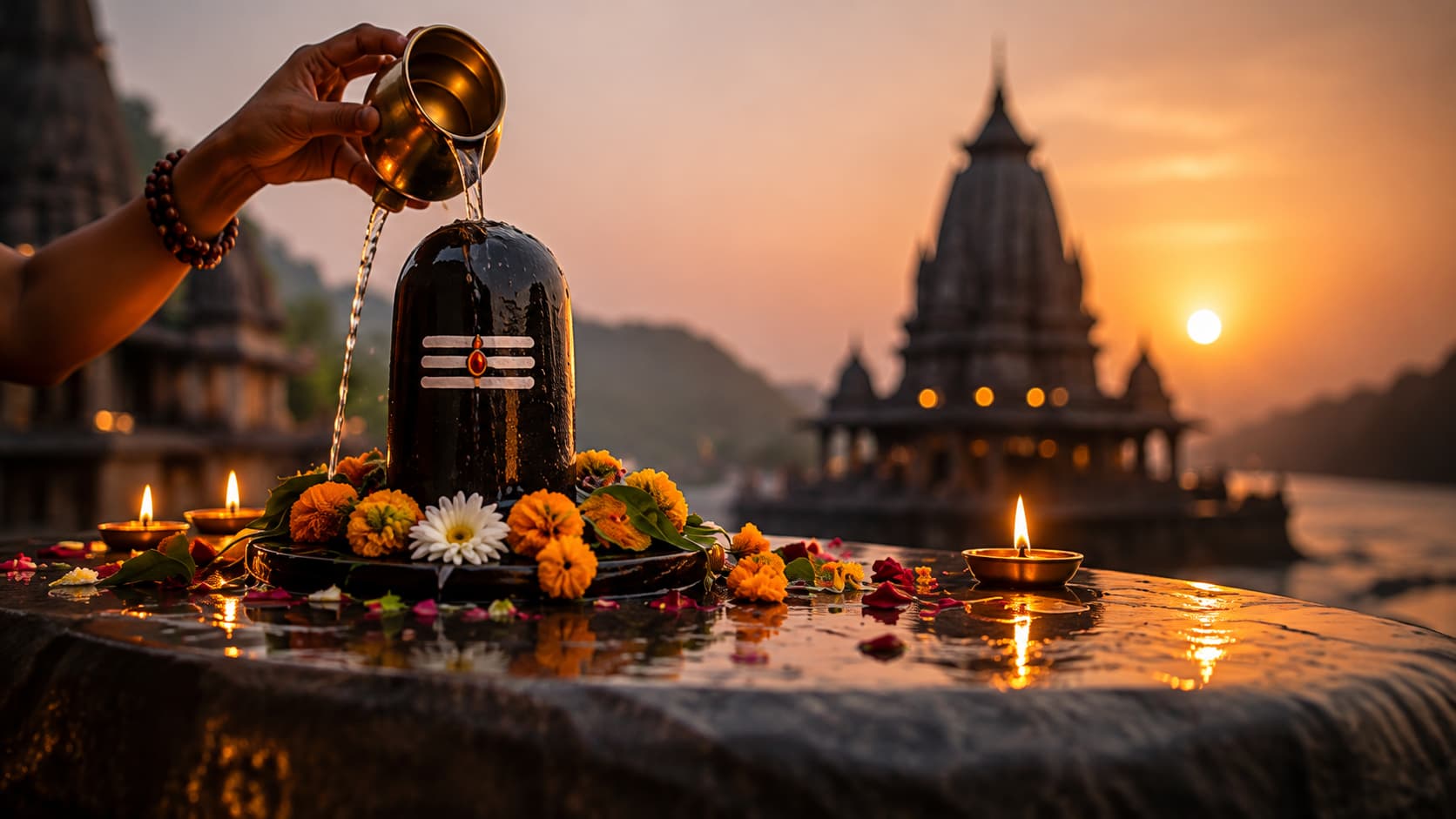
Sawan also called Shravan – is the fifth month of the Hindu lunar calendar, and it usually falls during the monsoon season. In 2026, Sawan runs from Thursday, July 30 to Friday, August 28 in North India (the Purnimanta calendar), and from August 13 to September 11 in Maharashtra, Gujarat, Karnataka, Andhra Pradesh, and Telangana (the Amanta calendar). If you follow a regional tradition, always check your local panchang, since dates can shift by up to two weeks depending on where you live.
This entire month is dedicated to Lord Shiva. According to the Shiva Purana, Sawan is connected to one of the most moving stories in our scriptures – the Samudra Manthan, the churning of the cosmic ocean. When a deadly poison called Halahala rose up and threatened to destroy the universe, Lord Shiva drank it Himself to protect all beings, holding it in His throat rather than letting it spread. That single act of sacrifice is why devotees dedicate this month to Him with such tenderness. The rains of Sawan are seen as nature performing its own abhishek – its own sacred bathing – of the earth, the same way we pour water over the Shivling in our temples.
Why Is Monday Shiva’s Day?
You’ve probably noticed that Monday is called “Somvar” and “Som” is another name for the moon, which Lord Shiva wears on His forehead. Devotees have worshipped Shiva on Mondays throughout the year for generations, but during Sawan, this weekly devotion becomes something deeper.
I think of it this way: if praying to Shiva on any ordinary Monday is like knocking on a door, praying to Him on a Sawan Monday is like finding that door already open, with someone waiting on the other side.
Why Sawan Mondays Feel Especially Powerful
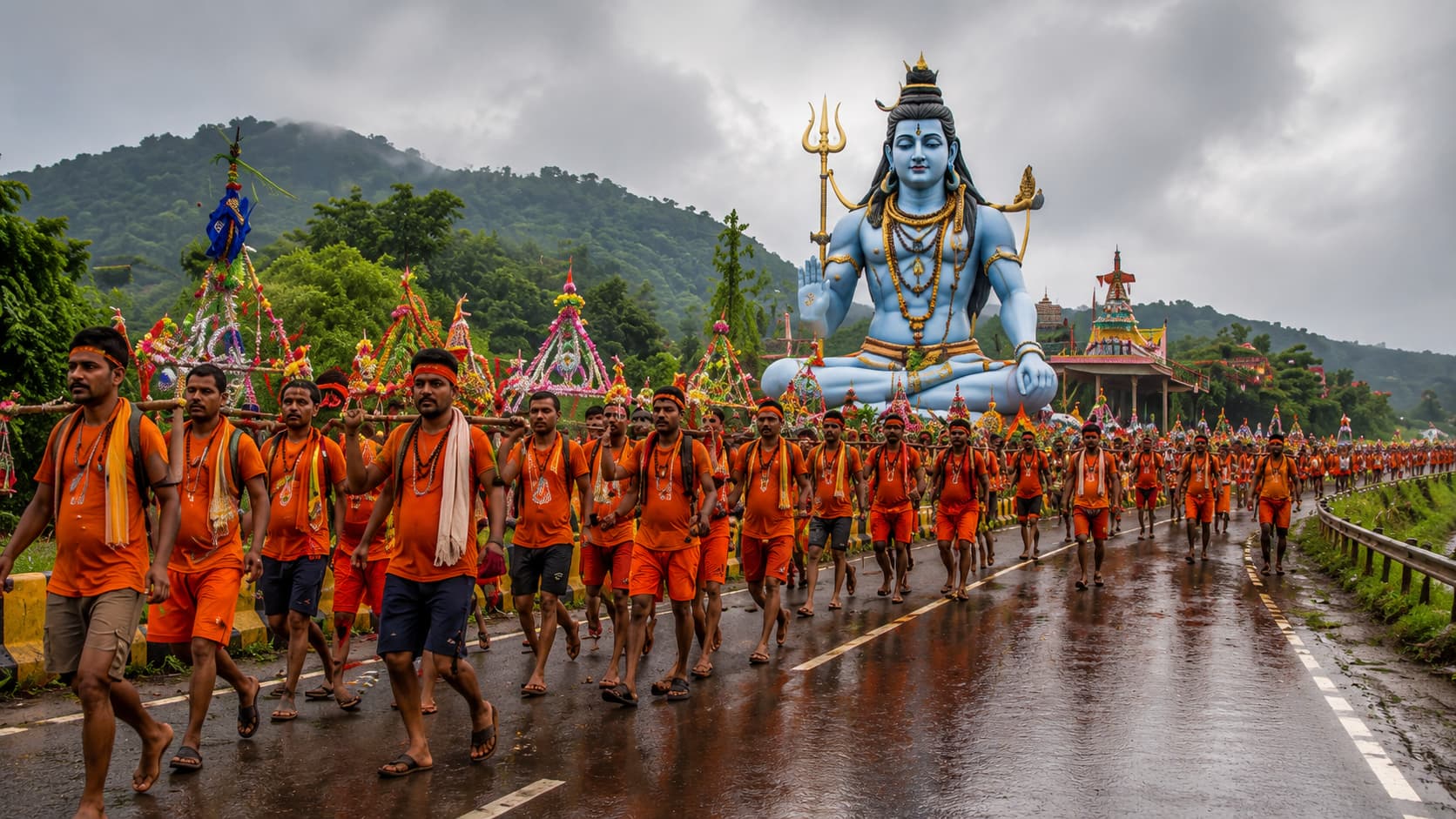
Over the years, I’ve come to believe this power isn’t only spiritual – it’s also very human. A few things happen at once during Sawan:
- The season itself softens us. Monsoon rains slow everything down. We stay indoors more, we reflect more, and that natural stillness makes prayer feel less forced.
- Collective devotion amplifies energy. When millions of people are praying, fasting, and chanting during the same weeks, there’s a shared current that’s genuinely felt, even if it’s hard to explain in words.
- Discipline becomes achievable. A single Monday of restraint is easy. Four Mondays, one after another, start to build a habit and habits are where real transformation quietly happens.
- Nature mirrors renewal. Just as the earth turns green again after the first rains, Sawan invites an inner “greening” a chance to let go of what’s dried up in us and let something new grow.
None of this needs fear to make sense. I want to be honest with you: no scripture says something terrible will happen if you skip a Monday fast. Fasting and prayer during Sawan are acts of devotion and discipline, not insurance against misfortune. Please don’t let anyone frighten you into a ritual. Come to it because it feels meaningful, not because you’re afraid of what happens if you don’t.
Sawan Somwar 2026: The Four Mondays
Here are the confirmed dates for North India this year.
| Sawan Monday | Date (2026) |
| First Sawan Somwar | Monday, August 3 |
| Second Sawan Somwar | Monday, August 10 |
| Third Sawan Somwar | Monday, August 17 |
| Fourth Sawan Somwar | Monday, August 24 |
(If you follow the Amanta calendar – common in Maharashtra, Gujarat, Karnataka, Andhra Pradesh, and Telangana – your Sawan Mondays will fall roughly two weeks later, since your Shravan month begins mid-August. Please confirm with your family’s panchang.)
Sawan Shivratri 2026
Mark this date clearly: Sawan Shivratri falls on Tuesday, August 11, 2026, with the main midnight worship carrying into the early hours of August 12.
People often ask me how this is different from Mahashivratri, the “great night of Shiva” celebrated earlier in the year. Mahashivratri is the larger, more widely known festival, observed once annually and considered the most significant Shivratri of all. Sawan Shivratri, on the other hand, is the monthly Shivratri that happens to fall within the sacred month of Shravan – which is precisely what makes it so special this time. It carries the weight of Shivratri and the grace of Sawan, together.
A Simple Sawan Somwar Ritual You Can Actually Follow
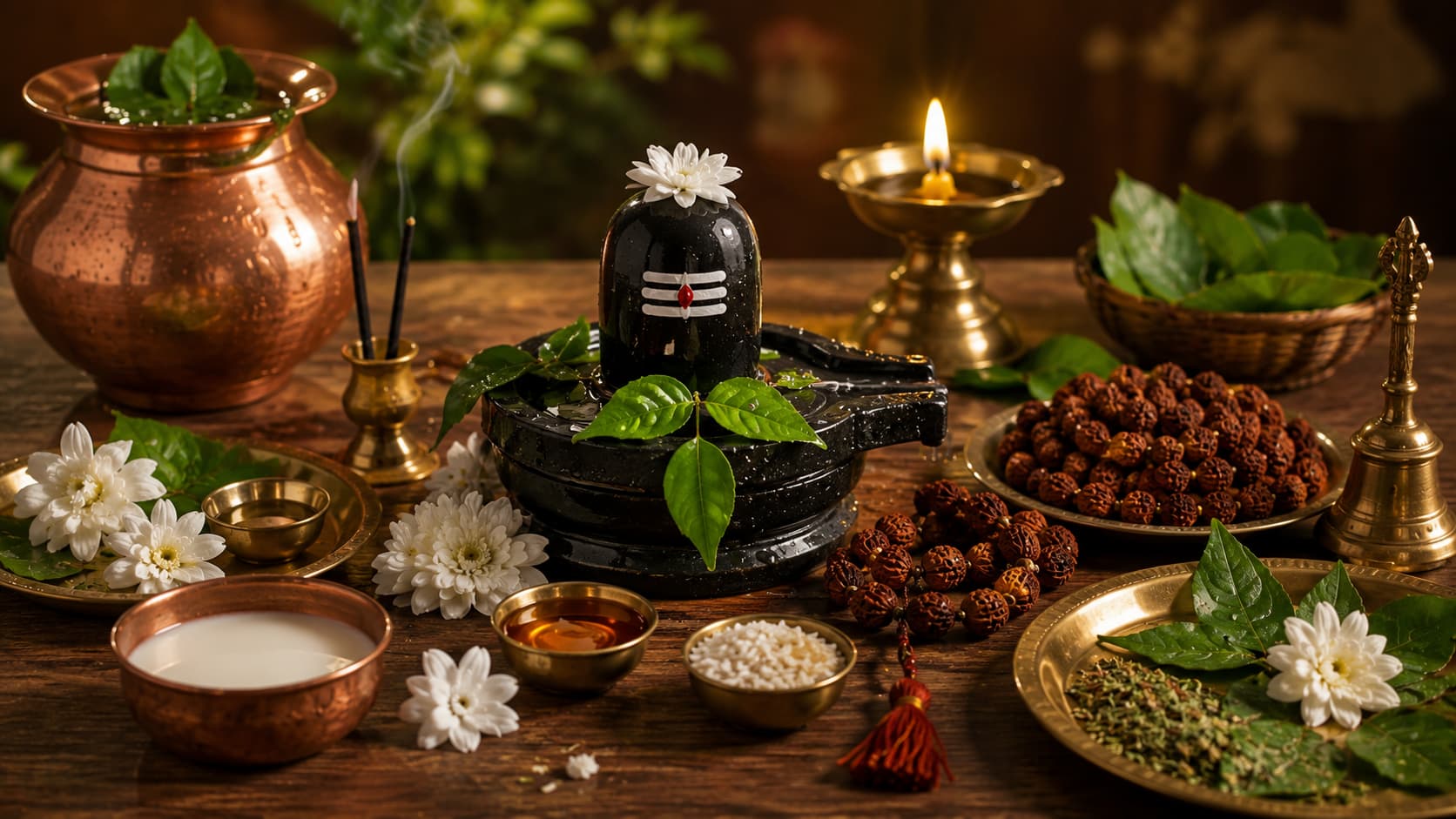
You don’t need an elaborate setup to observe Sawan meaningfully. Here is the simple routine I recommend to people who are just beginning:
- Wake and bathe early, if possible, before sunrise.
- Offer water or milk to a Shivling, according to your family’s tradition — even a small home shrine is enough.
- Offer Bilva (Bel) leaves, which are considered especially dear to Lord Shiva.
- Sit for a few minutes of quiet meditation. Even five minutes counts.
- Chant a mantra, even softly, even once.
- Do one small act of kindness during the day – this matters more than people realize.
- Close the day with gratitude, thanking Shiva for whatever the day brought, good or difficult.
That’s the whole ritual. Simplicity is not a lesser form of devotion – it’s often the truest form.
Powerful Shiva Mantras for Sawan
| Mantra | Meaning | Best Time to Chant |
| Om Namah Shivaya | “I bow to Shiva” – the simplest, most complete surrender to the divine | Morning or during meditation |
| Mahamrityunjaya Mantra | A prayer for health, protection, and freedom from the fear of untimely death | Early morning or at dusk |
| Om Sarv Mangal Mangalye | An invocation of auspiciousness and well-being, often paired with prayers to Shakti | During evening puja |
You don’t need perfect Sanskrit pronunciation. What matters far more is chanting with full attention rather than rushing through a count. I would rather someone chant Om Namah Shivaya eleven times slowly, with their whole heart in it, than a hundred times while thinking about something else entirely.
Thinking of Wearing Rudraksha This Sawan?
Sawan is considered one of the most auspicious times to begin wearing a Rudraksha. However, choosing the right Mukhi based on your purpose and understanding how to energise, wear, and care for it is equally important.
If you’re looking for authentic, energised Rudraksha, you can explore our carefully curated collection at shop.drneetikaushik.com.
If you’d like to understand the deeper science and significance of Rudraksha before choosing one, our Complete Rudraksha Reference Guide on drneetikaushik.com covers everything you need to know, including which Rudraksha is suitable for you, the spiritual significance of each Mukhi, myths versus facts, how to wear it correctly, and the common mistakes to avoid.
Sawan Isn’t Just About Fasting
This is something I say every single year, and I’ll say it again here – Sawan is so much bigger than what we eat or don’t eat. If fasting isn’t right for your body or your health, please don’t force it. There are so many other ways to observe this month with sincerity:
- Reading a few pages of the Shiva Purana or any spiritual text that moves you
- Taking a quiet walk in the rain and simply noticing nature
- Keeping a short gratitude or reflection journal each evening
- Practising a digital detox for even an hour a day
- Doing one act of genuine kindness — feeding an animal, helping a stranger, calling a parent
- Practising forgiveness toward someone you’ve been holding a grudge against
I’ve watched people transform more during a month of quiet reflection than during years of ritual performed without presence. Sawan rewards sincerity, not intensity.
How I Personally Observe Sawan: My Seven Daily Practices
People sometimes assume that after thirty-five years in this field, my own Sawan routine must be elaborate. It isn’t. Here’s what I actually do, every single day of this month:
- I begin the day with a moment of gratitude before my feet even touch the floor.
- I chant Om Namah Shivaya slowly, paying attention to each word rather than rushing the count.
- I sit in silence for a few minutes – no phone, no plans, just breath.
- I read a small passage from a text I love, even if it’s just a paragraph.
- I try to do one conscious act of kindness, however small.
- I write a few lines in my journal before bed – what moved me, what I’m grateful for.
- I end the day thanking Shiva, regardless of how the day actually went.
That’s it. No grand ceremony. Just consistency, held with love.
Common Mistakes I See Every Sawan
- Focusing only on the outer ritual while ignoring the inner shift it’s meant to inspire
- Comparing your devotion to someone else’s – this isn’t a competition
- Following social media trends blindly, without understanding the “why” behind a practice
- Expecting instant miracles, and feeling disappointed or doubting your faith when life doesn’t change overnight
- Treating fasting as punishment rather than a gentle discipline chosen from love
Frequently Asked Questions
Q1. When is Sawan Shivratri 2026?
Ans. Sawan Shivratri falls on Tuesday, August 11, 2026, with the main midnight worship continuing into the early hours of August 12.
Q2. How many Sawan Mondays are there in 2026?
Ans. North India observes four Sawan Somwar – August 3, 10, 17, and 24. Regions following the Amanta calendar observe their four Mondays roughly two weeks later.
Q3. Can working professionals observe Sawan meaningfully?
Ans. Absolutely. A short morning prayer, one mindful mantra, and a moment of gratitude before bed are enough. Devotion doesn’t require hours – it requires presence.
Q4. Can women observe Sawan Somwar Vrat?
Ans. Yes. Sawan Somwar is observed by devotees of all genders. If you’re pregnant, unwell, or menstruating, please prioritise your health and consult your family tradition – devotion never requires you to harm yourself.
Q5. What if I can’t fast for health reasons?
Ans. Please don’t fast. Offer a prayer instead, chant a mantra, or perform one act of kindness. Shiva doesn’t need your hunger – He asks for your heart.
Q6. Which mantra should a beginner start with?
Ans. Om Namah Shivaya. It’s simple, complete, and needs no elaborate preparation.
Q7. Can I wear Rudraksha during Sawan?
Ans. Yes, many devotees choose to begin wearing Rudraksha specifically during this month, as it’s considered an especially auspicious time to start.
Q8. Do the dates differ by region?
Ans. Yes. North India follows the Purnimanta calendar; Maharashtra, Gujarat, Karnataka, Andhra Pradesh, and Telangana follow the Amanta calendar, which begins about two weeks later. Always confirm with your local panchang.
Key Takeaways
- Sawan 2026 runs July 30 to August 28 in North India, with four Sawan Somwar: August 3, 10, 17, and 24.
- Sawan Shivratri 2026 falls on Tuesday, August 11.
- Monday is sacred to Shiva because of His connection to the moon (Som); Sawan Mondays carry that devotion even further.
- Fasting is one path among many — meditation, kindness, and reflection matter just as much.
- Consistency in small practices, done with full presence, means more than grand rituals performed on autopilot.
If this is your first Sawan approaching with real intention, please be gentle with yourself. You don’t need to get every ritual perfect. You simply need to show up – with your imperfect prayers, your busy schedule, your ordinary Monday – and let that be enough. Because it is.
Har Har Mahadev.
Nice to reading this article